Wekino Launches the 'Moon Chair': Meeting Designer Nick Ross

Editor Sunjin Kim | Image Courtesy of Wekino


Korean design furniture brand Wekino has launched the 'Moon Chair,' a new product created in collaboration with Swedish designer Nick Ross. With its unique presence—as if a full moon has risen on the backrest—the Moon Chair foreshadows the original collections Wekino will develop going forward.

Under the slogan "We Create The Scene," Wekino presents furniture and objects that make everyday life brighter and more dynamic. ⓒ wekino

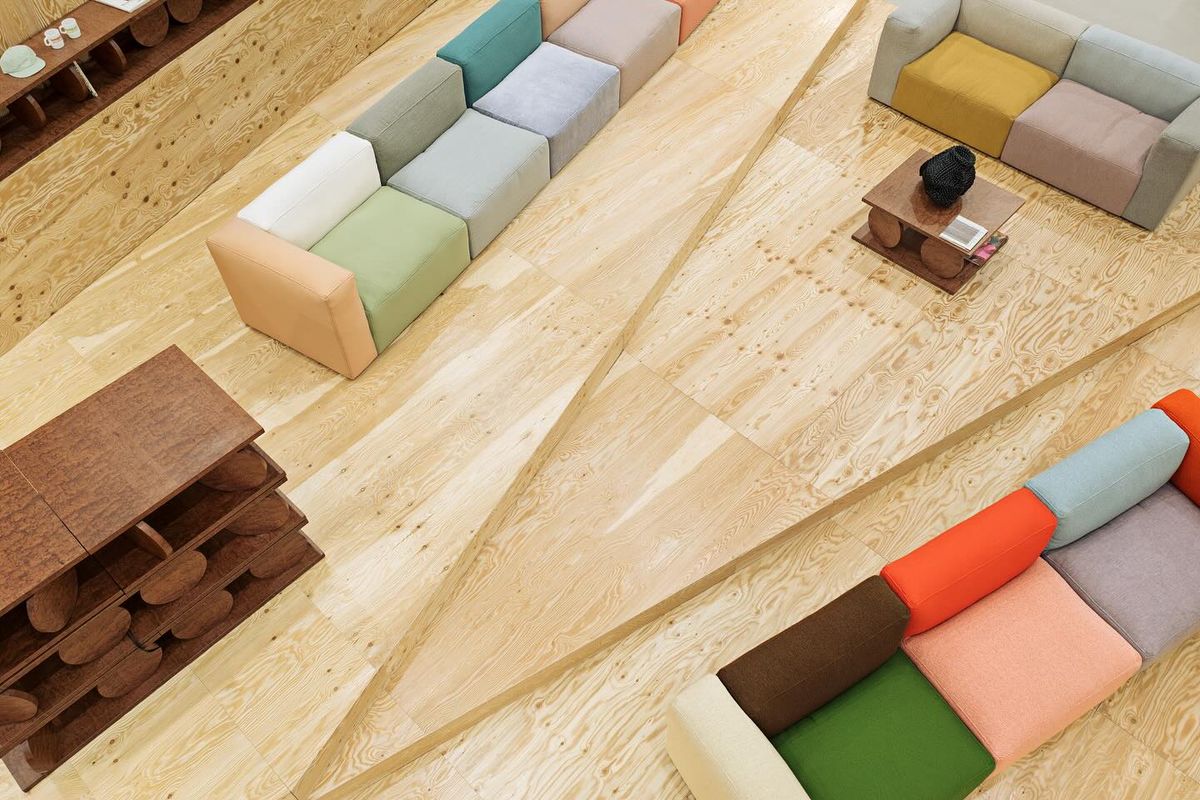
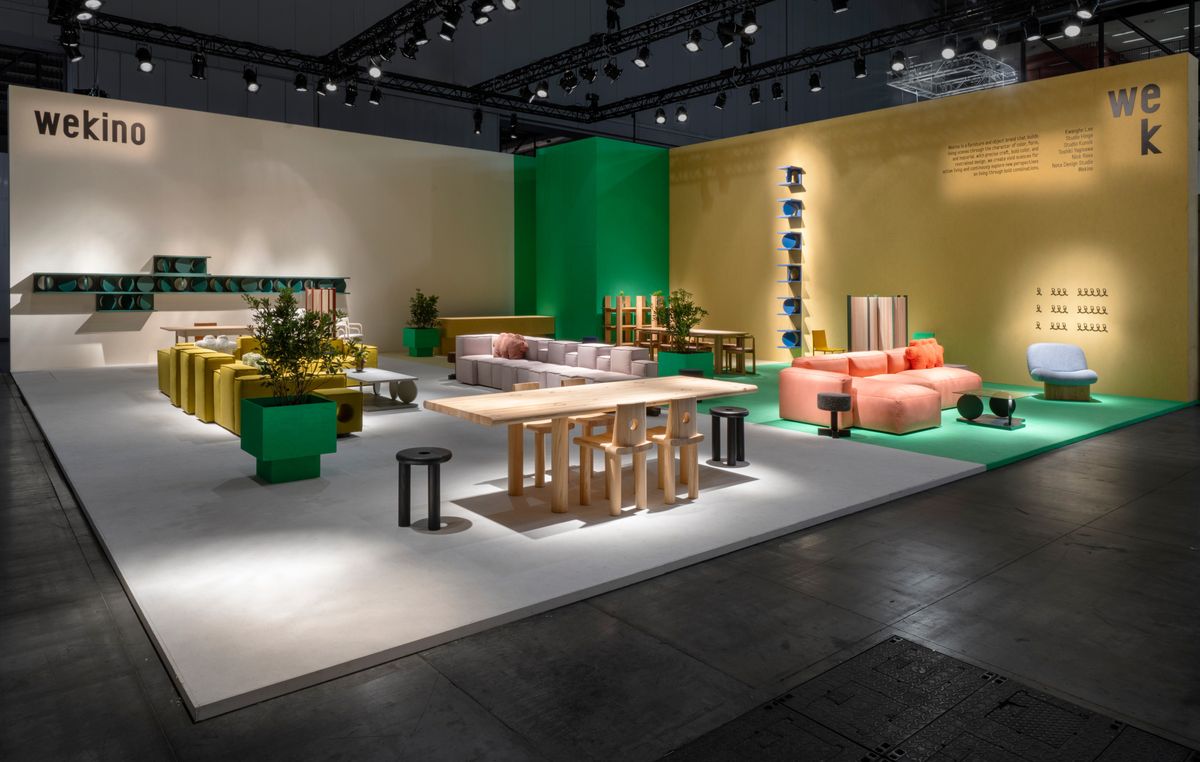
Wekino started in Seoul in 2014. It has actively collaborated with Korean designers such as Studio Hinge and Guoduo, and in 2025 it brought in Kwangho Lee, an artist drawing global attention, as creative director, beginning to redraw the brand's direction anew. Since then, it made a full-fledged entrance onto the global stage at the 2026 Salone del Mobile in Milan, unveiling collections created in collaboration with international designers such as Note Design Studio and Toshiki Yagisawa.

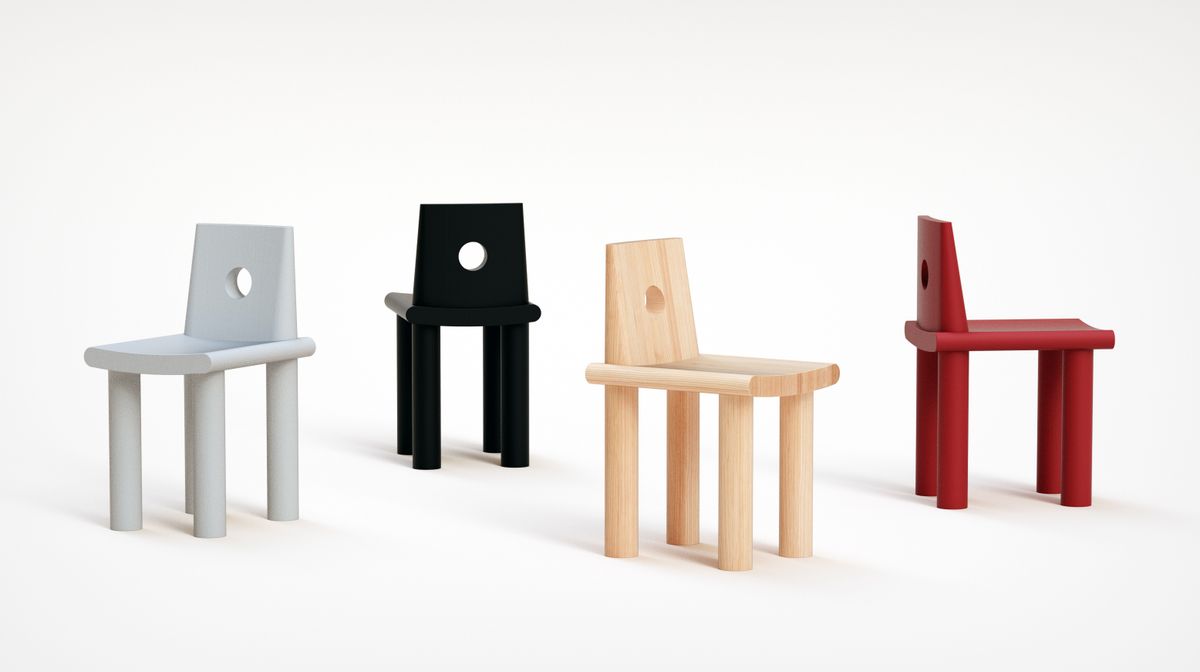
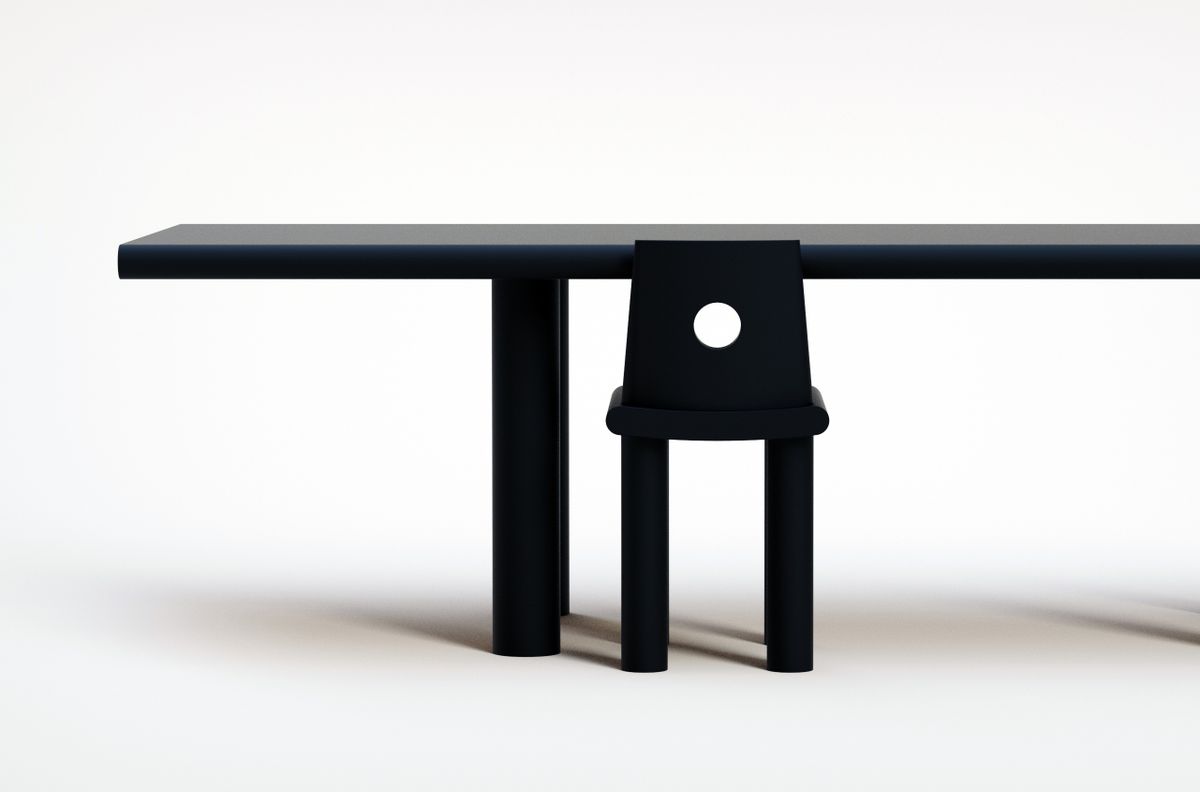
A mock-up image of the Moon Chair ⓒ wekino

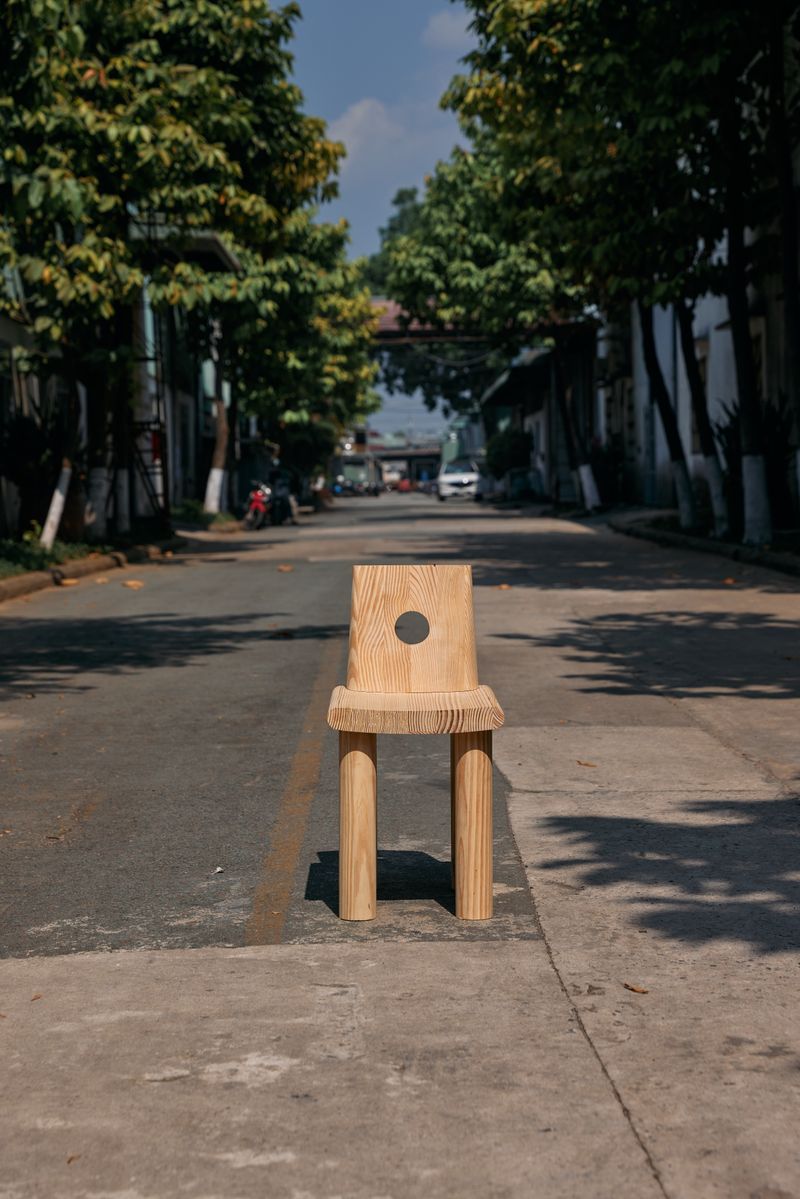
The 'Moon Chair,' newly launching this year, is a design by Swedish furniture designer Nick Ross. The circular detail at the center of the backrest evokes a round moon, and combined with the heft of the cylindrical legs, it creates an impression that is simple yet mysterious.

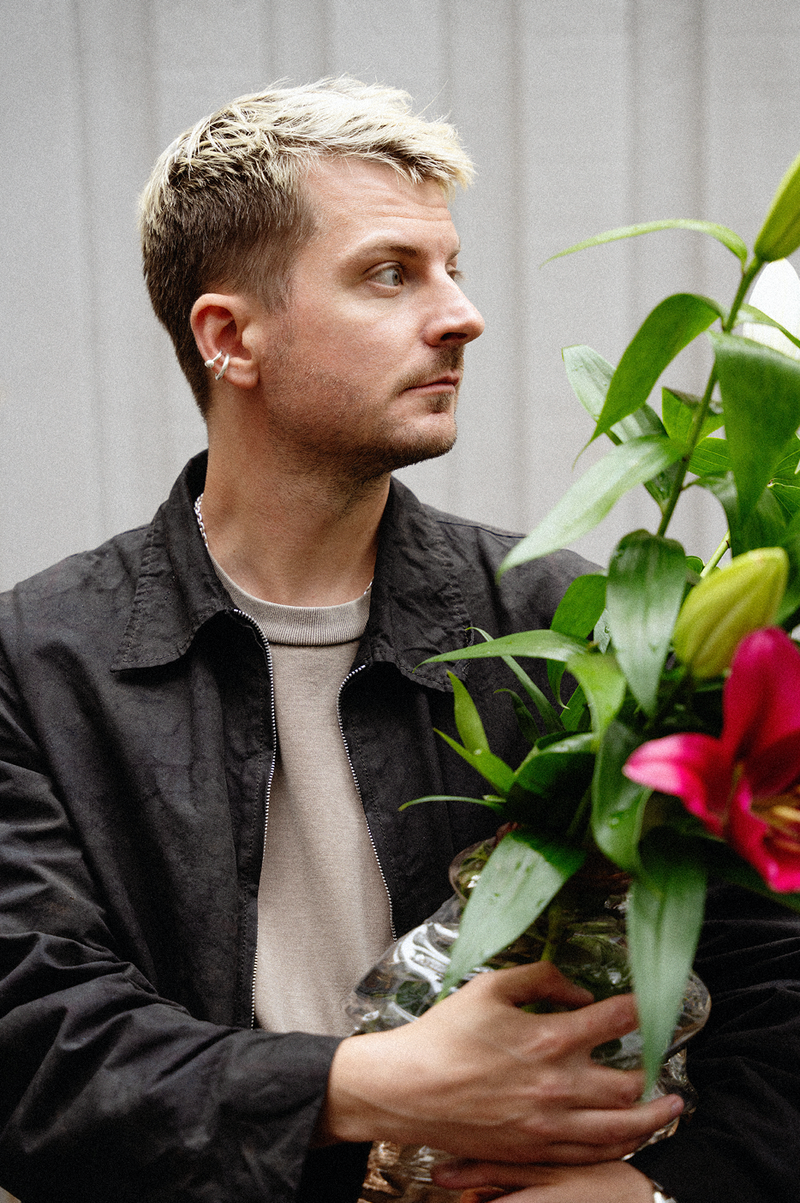
Furniture designer Nick Ross, who is based in Stockholm ⓒ Nick Ross
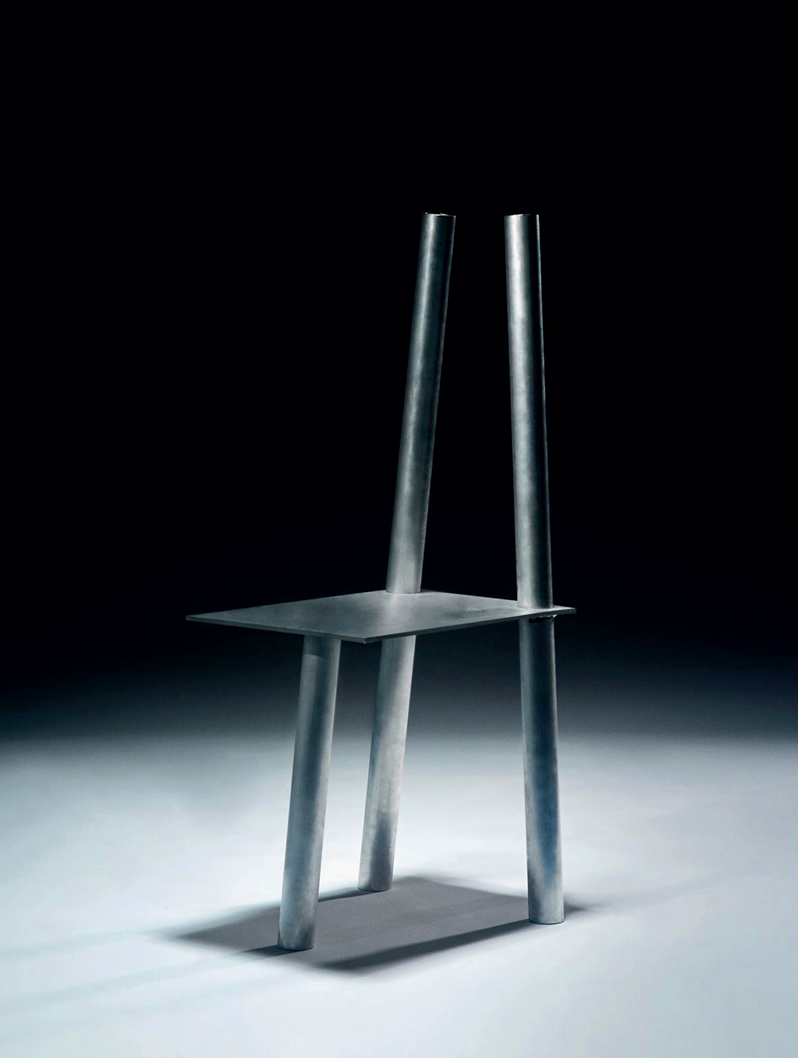
The most striking feature of Nick Ross's designs is the detail contained within simple forms. ⓒ Nick Ross

Designer Nick Ross founded his eponymous studio in Stockholm in 2014. Deeply interested in old history and stories, he often finds inspiration in patterns of human behavior or in the atmosphere embedded in ancient artifacts. With Wekino, he will present the 'Moon' collection and the 'Salle' collection together this year. To mark the launch of the 'Moon Chair,' the exhibition <Moon Chair Landing in Seoul> will also run from August 28 to September 4 at The Barn Berlin in Sinsa. Ahead of the launch event, we asked Nick Ross about the background of this collection and his design process.
You're based in Stockholm, Sweden. How did you come to work with Wekino?
It began with a single text message from designer Kwangho Lee. We had talked a few times before at design weeks. I was a little surprised when I got the message, but it felt good. As we talked, I came to trust deeply in what he wanted to do as Wekino's creative director.
The Wekino collection presented at the 2026 Salone del Mobile in Milan ⓒ wekino
What was your first impression of Wekino?
I first learned about Wekino at Stockholm Design Week in 2024. Wekino is a relatively young brand, and its collection is still fairly small. I love the process of growing together with a team at that stage. The truth is, no matter how much a brand talks about its plans or goals, you can't really know until it actually happens. It was enjoyable to watch things become reality one by one, and to see our conversations start to align with actual results. Looking back, it felt comfortable from the very start. When you feel that two people see things differently, from that point on it feels like a constant uphill climb. But from the first meeting, I felt I could comfortably propose my ideas. That's already a good start. So I was pretty much ready to go 'all in.' (laughs)
This year you're set to present two collections with Wekino—the 'Moon' collection and the 'Salle' collection. What did you want to create through this collaboration?
The goal was to try something completely new. The brief Wekino gave me was itself very loose. I think they suggested a shelf or a table. So I said, "Well, I actually have an idea for a chair. A dining chair." And they said, "Oh, a dining chair would be great too." So it was a brief and yet not a brief at the same time. (laughs) Personally, I wanted to make something that sits somewhere between a product and a work of art. I thought a product in that 'in-between zone' would fit Wekino's collection well.
A prototype made in Stockholm ⓒ Nick Ross
Throughout the project, I heard you communicated remotely. By now I think I've definitely gotten used to this way of collaborating. We're talking over a video call like this right now, too. Still, was there any difficulty in collaborating remotely, from design all the way to production?
It went quite smoothly. But since we were far apart, I didn't want to create situations where every tiny detail had to be checked. In cases like this, it's important to set the initial parameters well. We discussed very basic things from the outset—where the factory is located, what production technologies it has—and worked within those conditions so that no major problems would arise. For example, one of the key things we discussed when making the Moon Chair was what kind of wood to use. Since I didn't know well what woods are available in Korea, I built it from the start with a structure that wasn't dependent on any particular material. I made sure there wouldn't be variables like having to use beech for rigidity or pine to reduce weight. I tried to keep the design as clean, simple, and intuitive as possible.
The more I hear, the more it feels like there was an unspoken trust between you from the very beginning.
I think we matched quite well. When you're on opposite sides of the planet, that kind of relationship helps a lot. (laughs) I did everything I could, and I left the curation entirely to designer Kwangho Lee. Everything went very smoothly. This relationship was both very strange and special. It's a situation where a designer with his own world of work is leading the brand and interpreting my work. I don't think I've seen this kind of case anywhere else. It was a truly strange experience—in a very positive sense.
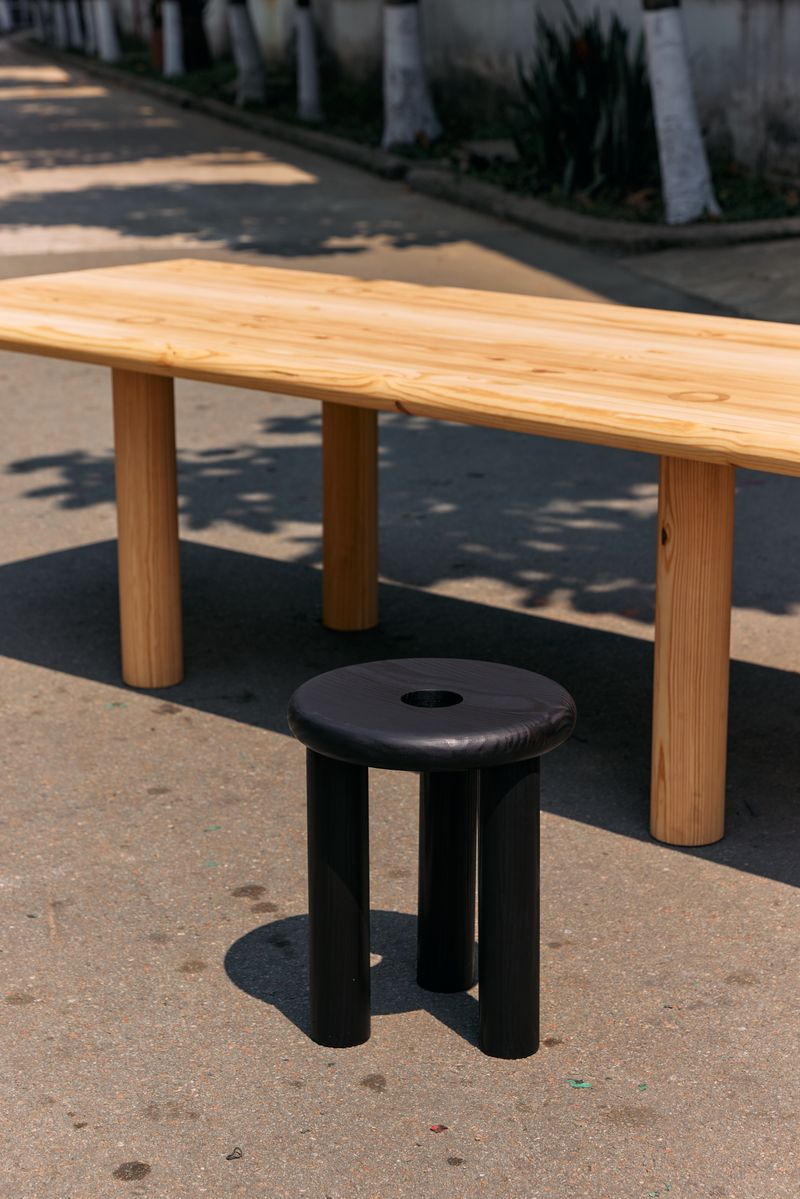
The Moon collection ⓒ wekino
What idea did the Moon collection start from? The name and the simple forms—especially the circular window in the backrest of the Moon Chair—create an atmosphere that feels both familiar and mysterious.
I prefer creating a complete collection rather than making a single chair or a single table in isolation. In that process, a motif that runs through the entire collection naturally emerges. I thought the Moon collection could look cute to some viewers, while to others it could look rough and rugged. So I added a more mysterious, uncanny feeling through the name. I imagined the circular hole cut into the chair's backrest as a moon, and named it the 'Moon collection.'
So the circle in the backrest wasn't inspired by the moon from the very beginning?
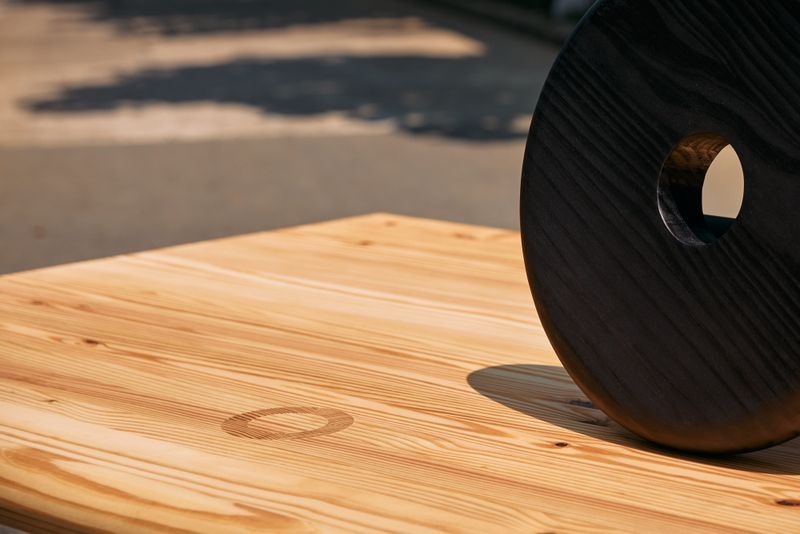
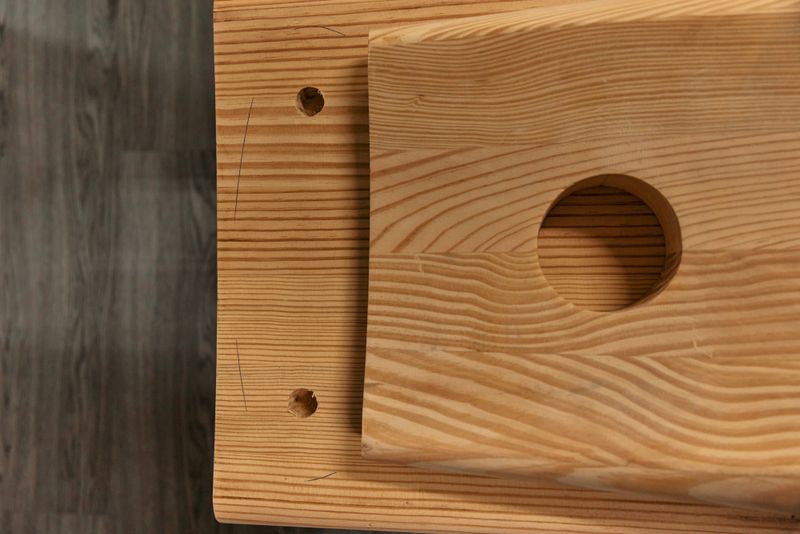
It was more of a functional reason. Bulky furniture is hard to move if there's nowhere to grip. But I wanted to use the handle as a kind of design statement. So I cut a large hole in the chair's backrest. What's really appealing is that this circle looks like a full moon at a glance, but from certain angles it looks like a crescent moon. I applied the same ring-shaped detail to the table as well. That's how the language running through the entire collection was created.
The 'Moon' detail on the chair backrest and the tabletop ⓒ Nick Ross
ⓒ Nick Ross
ⓒ Nick Ross
In the process of building the motif and character of your furniture, what inspires you the most?
A designer always has to observe their surroundings and look at materials, structures, details, and so on. Among those, I refer a lot to images and stories from history. You could say I have my own database that has naturally built up over a long time of exploring various objects. (laughs) Tracing objects like chairs, vases, or candlesticks back to their origins is truly fascinating. There are forms that appear universally across various cultures—from ancient Greece to Mexico, France, and Scandinavia. I like to interpret those forms and recreate them in a contemporary context. The result gives a feeling of something you've never seen before, yet somehow familiar. It's similar to the sensation of encountering an ancient artifact at a museum. It's hard to explain precisely, but there's an added feeling that something within it is still alive and moving. I want to capture that sensation in my work. That way, the result becomes something a Korean, a Swede, or a Dutch person can all relate to at a similar point.
That's fascinating. So rather than following a single style, you discover the elements you're naturally drawn to, follow them, and trace back to the source of the emotion.
Exactly. Looking at strange and mysterious things, I search for what the core element is that produces that feeling. It's similar to watching a great science fiction film. A good sci-fi film always contains something related to the essence of humanity. Just like how the Star Wars series begins with "A long time ago in a galaxy far, far away..." It looks like the future, and yet it's the past? I think it's these small elements that create results with the kind of appeal that draws people in.
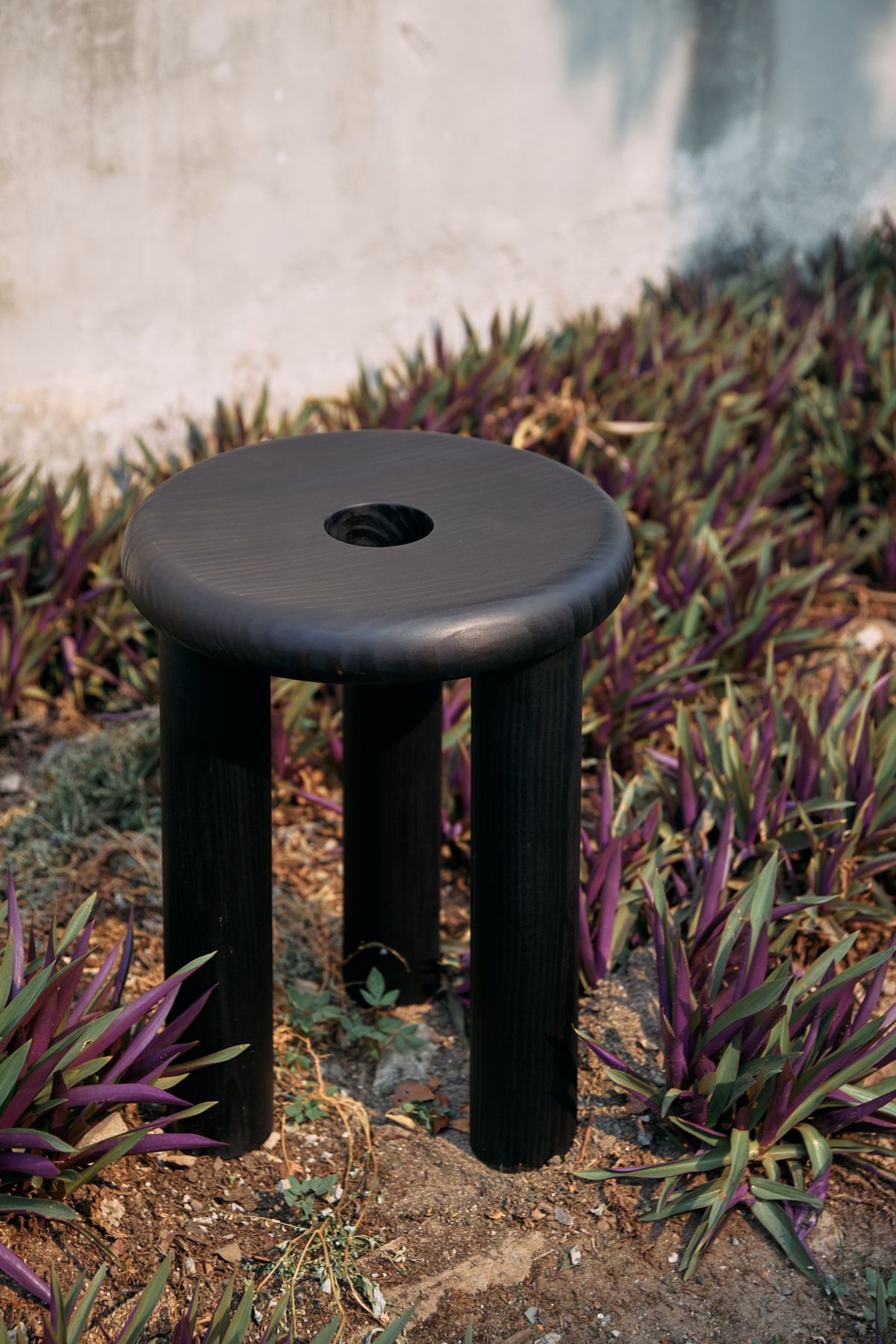
The Moon Stool ⓒ Nick Ross
One last question. What is your favorite chair?
Philippe Starck's Wendy Wright Chair. I especially like the all-black version. It's chic yet not overly refined, with a sophisticated charm.


Related Stories