A Berlin Apartment Filled with Rare Panton and Aalto Designs

에디터 유다미 | 포토그래퍼 전미연

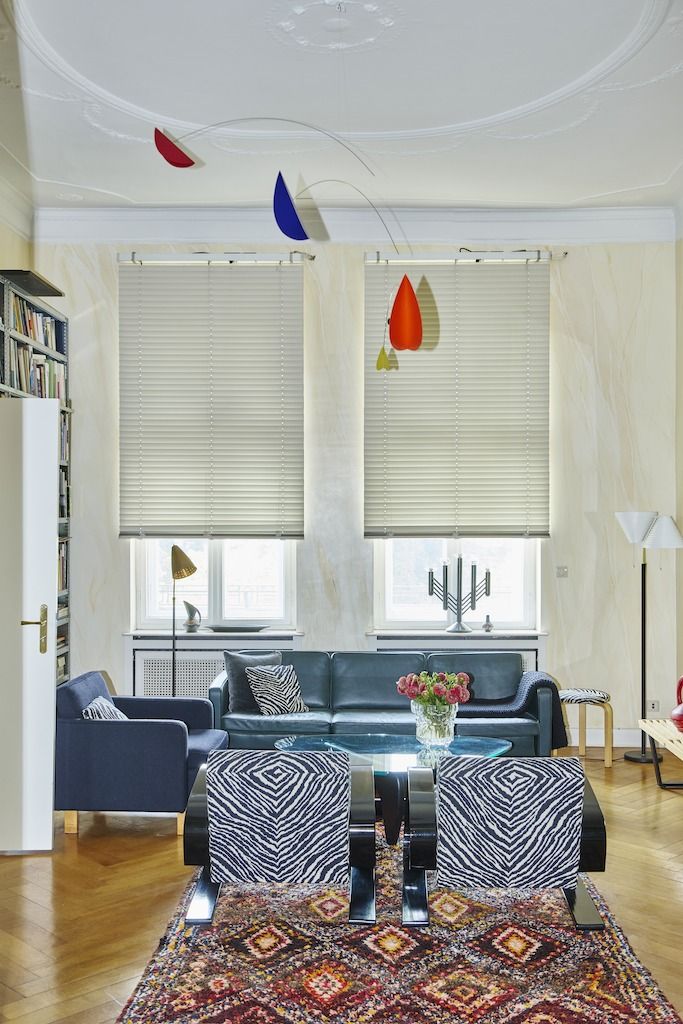
Mirkku Kullberg and 올라 콜레흐마이넨 Ola Kolehmainen have lived in Berlin for more than 20 years. Mirkku has worked at a range of design institutions and brands, including the Alvar Aalto Foundation, Artek, and Vitra, and is now CEO of the Swedish rug brand Kasthall. 올라 is an artist who explores space and light by photographing contemporary architecture and religious buildings. Their home holds layers of the design and art they have lived with for many years. Rare design icons, artworks, and countless books fill every corner. It was architecture that first brought them together. 올라 contacted the Alvar Aalto Foundation to photograph Aalto’s buildings in Finland, and there he met Mirkku, who was working at the foundation at the time. They later married in a church designed by Alvar Aalto. In a sense, Aalto made the match. When 올라 began working mainly in Germany, the couple set up a second home in Berlin, a convenient base for traveling to other European cities.

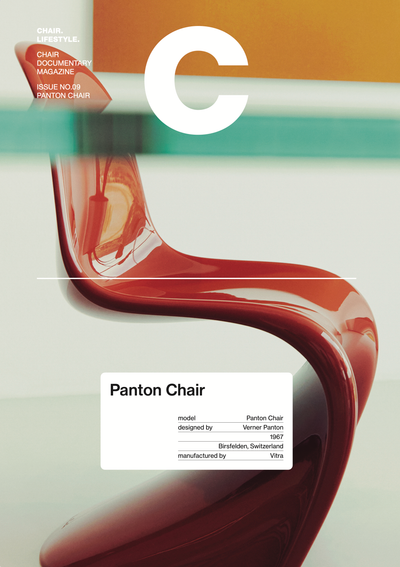
This interview is featured in Issue 9 ‘Panton Chair’.
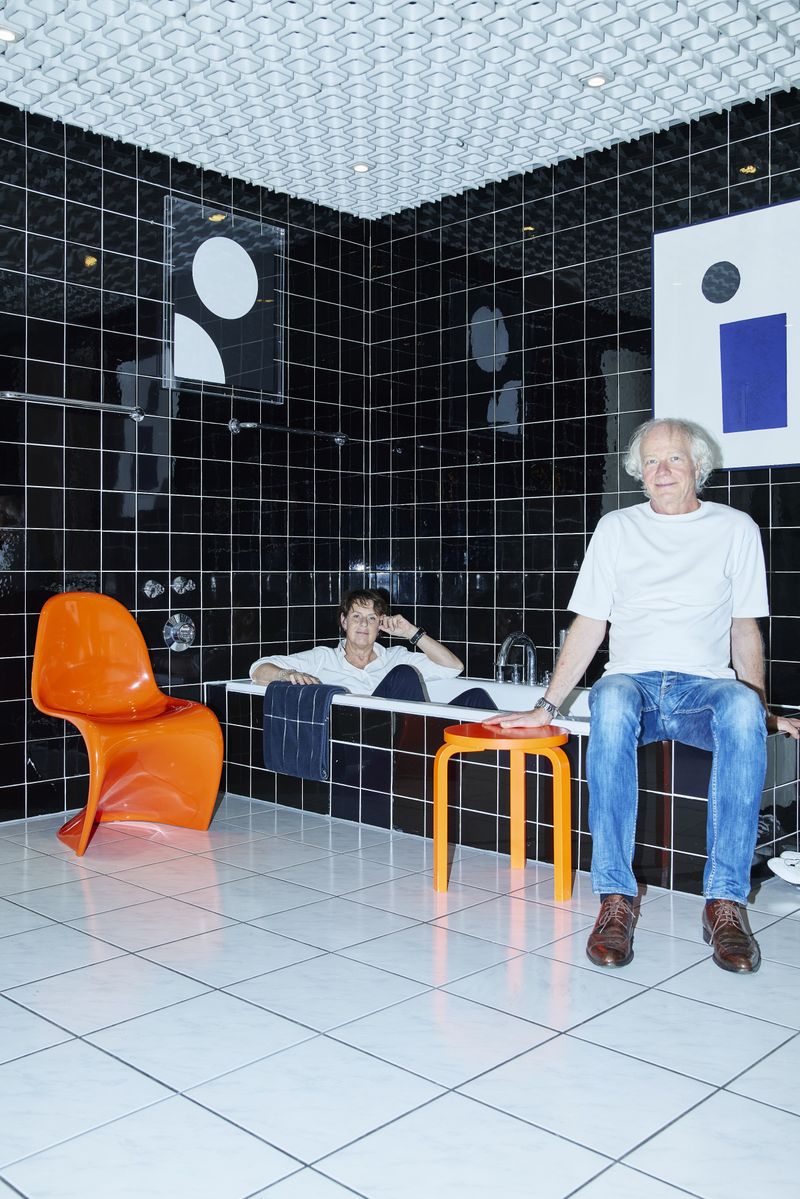

Every piece of furniture, object, and artwork in your home seems to have its own story. Alongside the Artek furniture, there are Panton chairs, sofas, lighting, and wall sculptures.
MK Truly, nothing here is without a story. That’s the only way something gets into our home. (laughs) Most of these objects strongly carry the spirit of their creators, in other words, their own ideas and convictions. That’s especially true of Panton’s work. He constantly pushed the limits of technology to experiment with new materials and realize new forms. I think he didn’t simply make objects. He also designed the spaces they occupy and the atmosphere within them. That’s why his work seems to bring the spirit and air of its era wherever it’s placed. That said, we can’t fill the whole house with Panton. (laughs) That would be too much. I think Panton is a truly great designer because a single piece is enough to reveal the spirit of the era and the designer’s philosophy. As a Finn, I know Alvar Aalto better, but that’s exactly why Panton’s design appeals to me across borders. OK We also have a work by Ellsworth Kelly, one of our favorite artists, hanging in the house. I think he has a lot in common with Panton in the way he handles harmony and tension through abstraction that emphasizes color and form. They worked in different eras and fields, but they’re connected in the way they created space and sensation in their own language. That’s also why both of their works are here together in this home.
Mirkku Kullberg (left) and 올라 콜레흐마이넨 Ola Kolehmainen
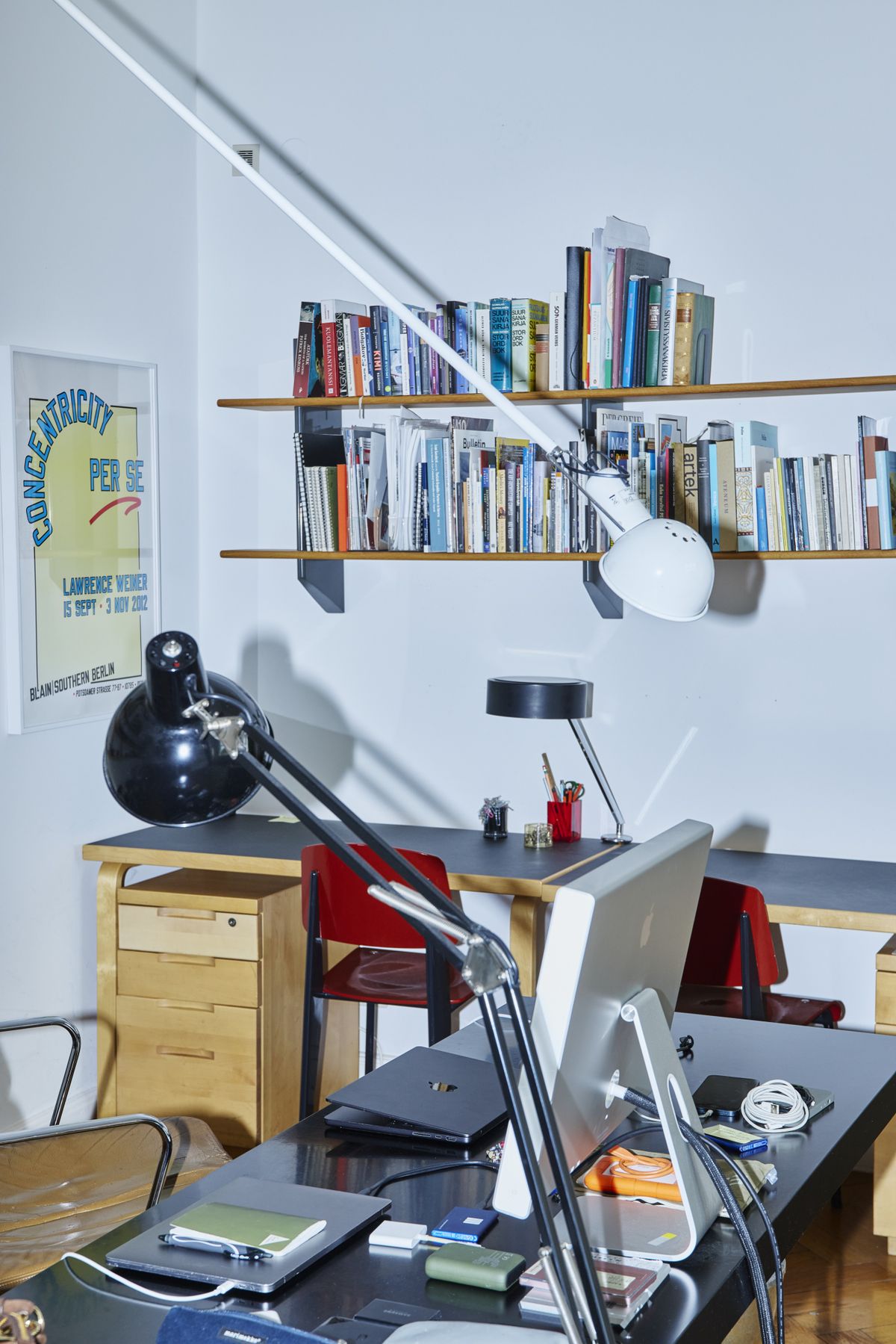
The Artek furniture in the study hints at Mirkku’s career.


The home is full of works by a wide range of designers and artists, from Panton to Alvar Aalto, Piet Hein Eek, 플로런스 놀 Florence Knoll, Ellsworth Kelly, 로런스 위너 Lawrence Weiner, and Alexander Calder. What’s the secret to bringing together works and furniture from such different eras and fields so naturally in one space?
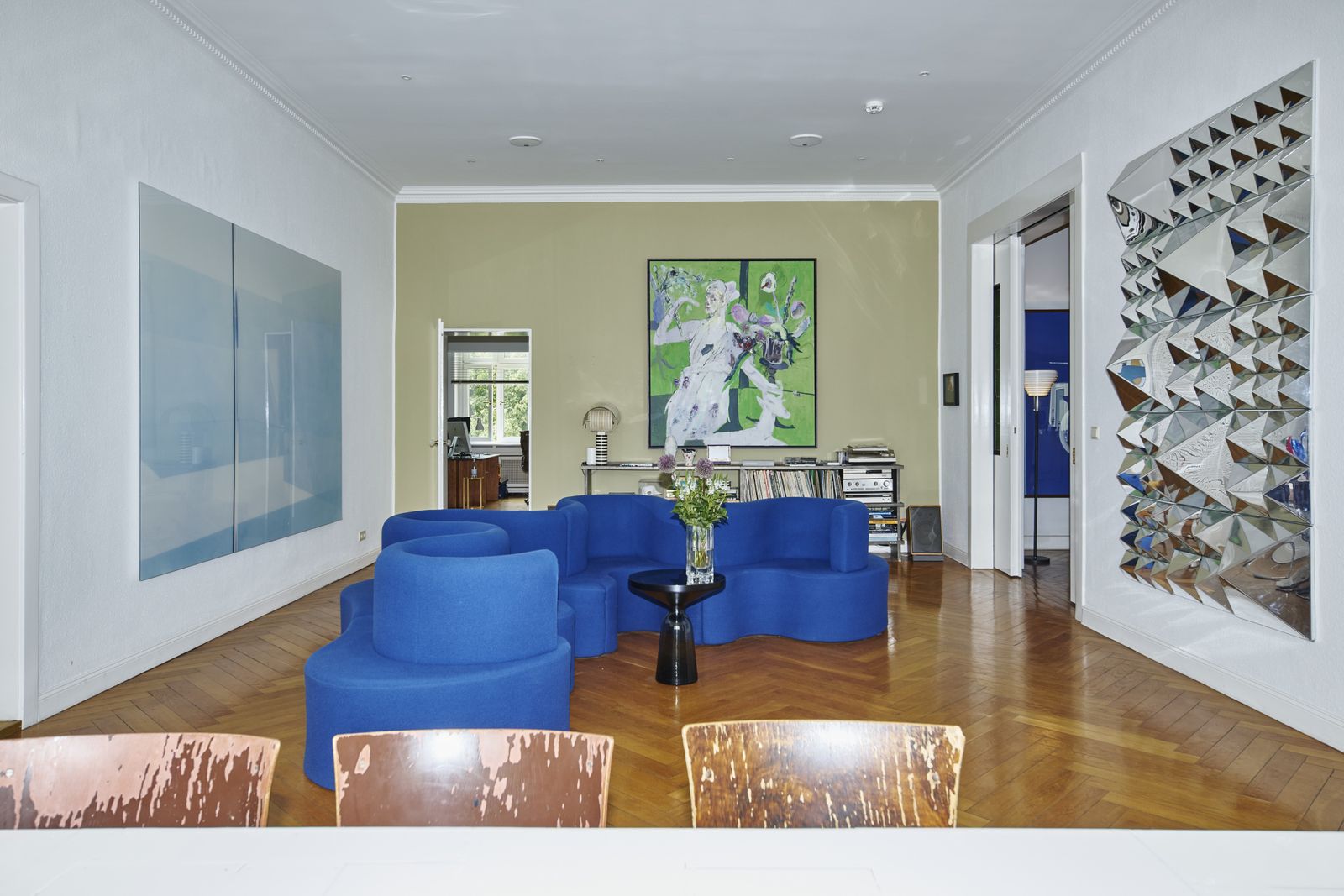
MK The interior and overall atmosphere reflect my ideas. Our home in Finland is closer to a typical Scandinavian style. It’s centered on Aalto’s birch furniture and feels very quiet and calm. But in Berlin, I wanted to do something different. I also wanted to reflect the atmosphere of this city. I’m not someone who strictly follows tradition or a particular style, so I’ve always found the tension and harmony between contrasting designs interesting. If we’d decorated this place like our home in Finland, it would have been too boring. OK I like works with a clear message, whatever they are. So I enjoy placing completely different pieces in one space, from text-based works to bold colors and dramatic curves, and finding a balance among them. For example, Panton’s Cloverleaf Sofa in the living room has a very strong presence in its size, form, and color. Next to it, we placed a white table by Piet Hein Eek. The two pieces have similar proportions, but one has intense color and organic curves, while the other has a rough texture and restrained neutral tones. Despite their contrasting characters, together they strike a natural balance in the space.
The Cloverleaf Sofa you mentioned is a very rare piece. How did it end up in your home?
MK Thanks to Vitra. (laughs) Vitra also runs various experimental projects that never become products. They make prototypes in new colors or forms, and when these don’t go into mass production, they sometimes sell them at auction. This sofa is one of those samples. It’s very large, and the color wasn’t my favorite either. But I had the chance to buy it at a really good price, and I couldn’t pass that up. I worried it was too big for our home, but it felt like a waste to keep it in storage. In the end, it found its place here. OK When Mirkku first said she wanted to bring this sofa home, I was against it. We already had big sofas, both at home and in my studio’s storage. (laughs) But that was purely a practical concern. I loved it from the moment I first saw it. Beyond its bold color and form, it’s great for several people to sit or lie on and spend time together. The living room with this sofa is one of my favorite spaces in the house.
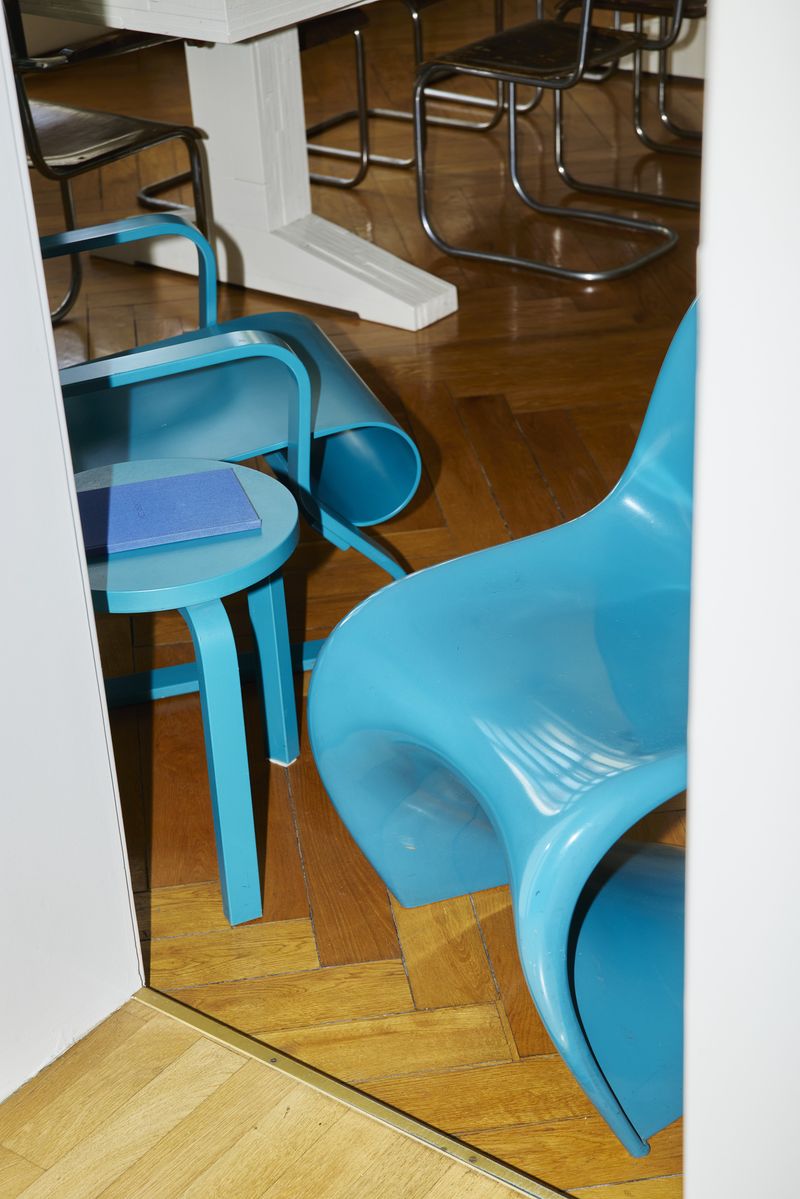
The colors of the Panton Chairs in the living room and bathroom are striking. The petrol color, a deep blue-green, is especially rare.
MK Both the petrol and orange chairs are early models made of fiberglass. I prefer the fiberglass models for the presence created by their weighty texture and subtle sheen. I found both chairs at vintage shops in Berlin, and I was especially thrilled when I found the petrol one.
During Tom Dixon’s time as Artek’s art director, Stool 60 and the Tank Chair were painted in the same colors as the Panton Chair.
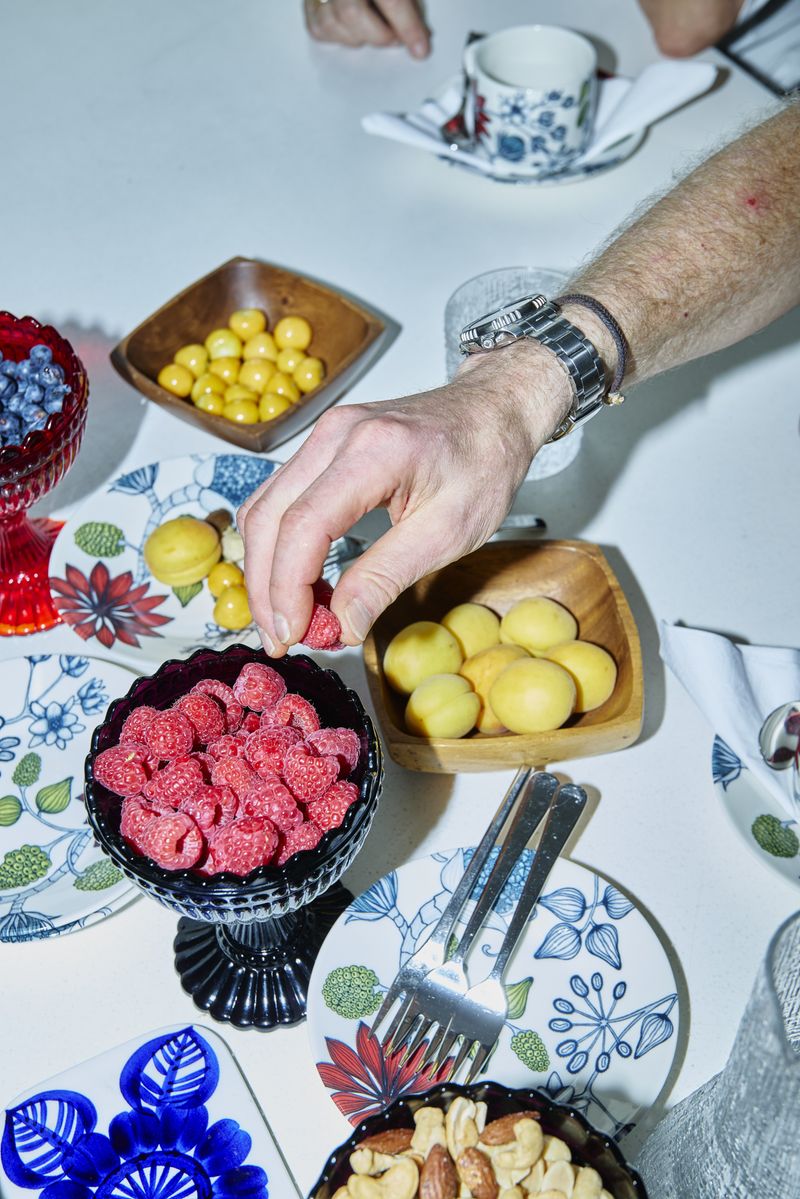
A table displaying products from the Finnish home brands Iittala and 아바리아 핀란드
The Stool 60 paired with the orange Panton Chair also stands out. Is it a special edition?
I had just started as managing director of Artek. At the time, creative director Tom Dixon was leading a project to give Artek furniture new colors and present it at Milan Design Week. Stool 60 and the 901 were shown together with a Panton Chair in the same colors. But the project was unveiled only nine days after I started at Artek, and the backlash from Finns, who have lived with Aalto all their lives, was much fiercer than expected. Many people saw it as an attempt that damaged Aalto’s legacy. But I thought Aalto would actually have welcomed it. He was someone who constantly experimented with new materials and technologies. Of course, the mood at the time was quite serious, and in the end those colors never went into official production. All the colored furniture shown at Milan Design Week went into storage. Later, when the storage was being cleared out, the question came up of what to do with these pieces, and I bought them all at a very low price. Unfortunately, I never did find the Tea Trolley 901. (laughs) Looking back, I think the fact that we tried something new mattered more than the criticism we received. It may have been a failure in the end, but experiences like that are also part of learning and part of the journey.
You described your book-filled study as a place to relax. How do books shape your daily life?
OK I use architecture as the material for my work. So I can’t help but keep books close, from architectural photo books, magazines I subscribe to, and art books to catalogs of my work and an English edition of a Haruki Murakami book featuring my photographs. They’re also important research material for my work. Books were the reason I gave up the separate studio I’d used for years and moved my workspace home. Having books close at hand that I can consult anytime has actually created a better working environment. Now that I live and work in our Berlin home, most of the books filling this study are mine. MK Books also tell us a lot about the past, present, and future. I don’t only read new books. A book you’ve read before often feels completely different when you return to it. Axel Munthe’s The Story of San Michele is a good example. I’ve lost count of how many times I’ve reread it since I was eighteen. In fact, I have a deep attachment to printed matter of every kind, whether books, magazines, or catalogs. I don’t collect books, but our home in Finland has a study full of the books I’ve gathered. We both feel settled only when we’re surrounded by books. I think that’s what home means to us. Even when we travel, the first places we look for are the ones with books.
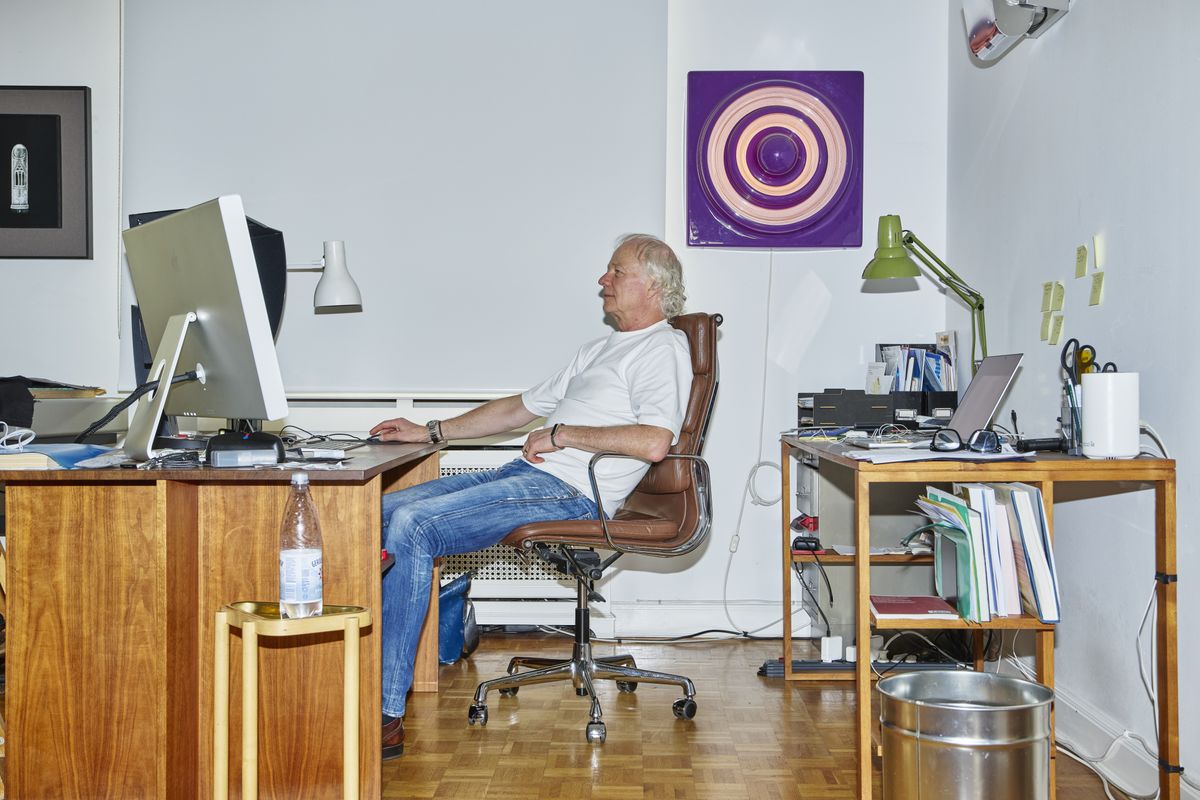
올라’s workspace. A rare Verner Panton 슈피겔 램프 model hangs on the wall.
Have you ever done a photography project related to books?
OK Not yet, but there’s one project I’d really like to do. It goes back to when I visited Villa San Michele on the Italian island of Capri, which appears in Axel Munthe’s The Story of San Michele. Besides Villa San Michele, there are several private villas there, and when I went into one of them, I found a room full of books. Old paper books had been stacked up to form a kind of wall, and it was leaning slightly under their weight. That peaceful scene was so captivating that I promised myself I would photograph that space someday. Whether I’m traveling or at home, when I look back, the time I’ve spent with books seems to stay with me the longest.
Documenting architecture and approaching it as subject matter for art seem like slightly different things.
OK At first, I focused on contemporary architecture. I photographed the structures and the way light scatters through their interiors, then reconstructed those images to create new spaces within the buildings. Then, in 2013, photographing the historic site 하기아 소피아 Hagia Sophia in Istanbul changed the direction of my work. I photographed the same space at different times of day, then combined the images to create a single space that doesn’t exist in reality. From then on, I didn’t limit myself to contemporary architecture. I went back in time and began seeking out buildings from many eras. You could say my work follows the history and spatial structure of buildings to discover scenes we rarely get to see, then turns them into a single image and a new space.
Your journey itself seems to be a search for the meaning of design, architecture, and art. One final question. What are you interested in these days?
MK These days I also serve on the board of the Paimio Sanatorium Foundation, known for Alvar Aalto’s architecture. My time at Artek was one long learning experience. I learned that nearly every cultural field, including design, architecture, and art, is closely connected to our society, and I came to understand how important the creator’s spirit is within it. In the end, isn’t that the force that connects different people, eras, and societies? I see my path through various positions as a long journey, too. Sometimes I wonder whether I stepped into shoes that were too big for me at a young age. But I try not to let the many experiences along the way simply pass me by. The people I met through work, the projects we did together, the failures and the successful decisions are all chapters of that journey. So these days I’m writing down what I’ve experienced so far. For someone, it could become a story that connects the past, present, or future. It should have come out long ago, but I’m cautiously hoping to publish it in 2027. (laughs)
Mirkku’s workspace, furnished with designs by Jean Prouvé and Alvar Aalto

Want to dive deeper?

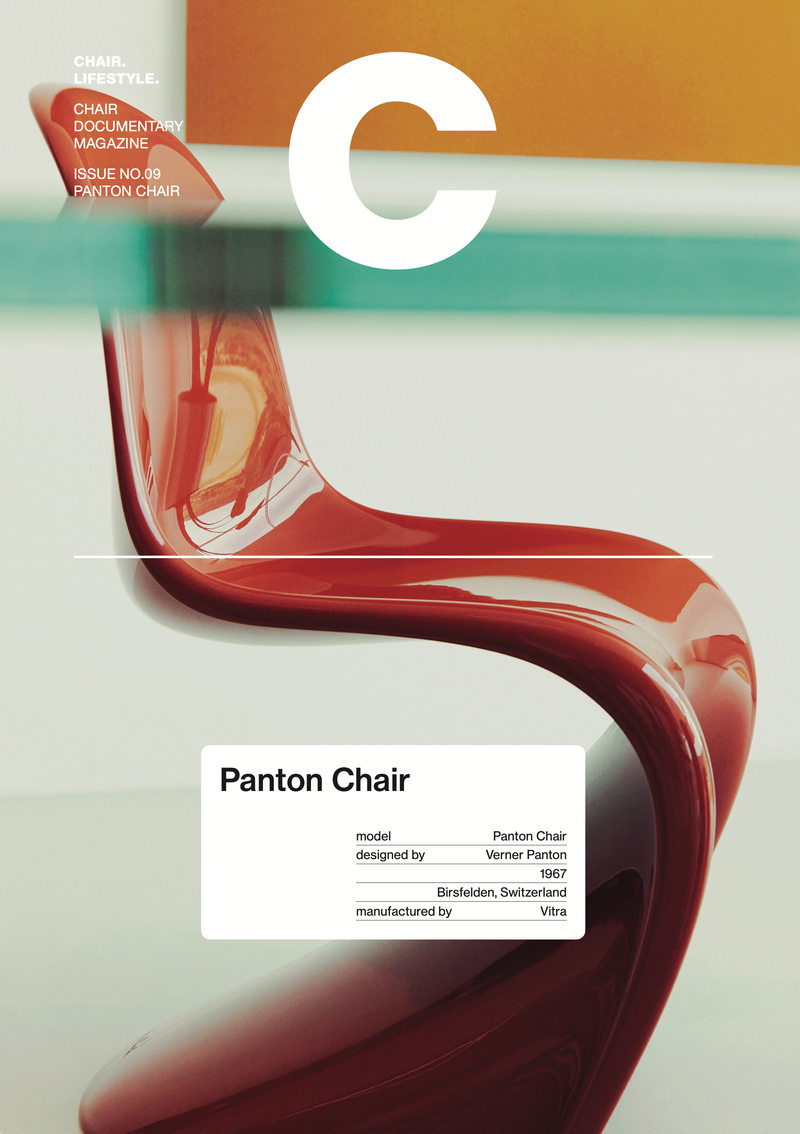
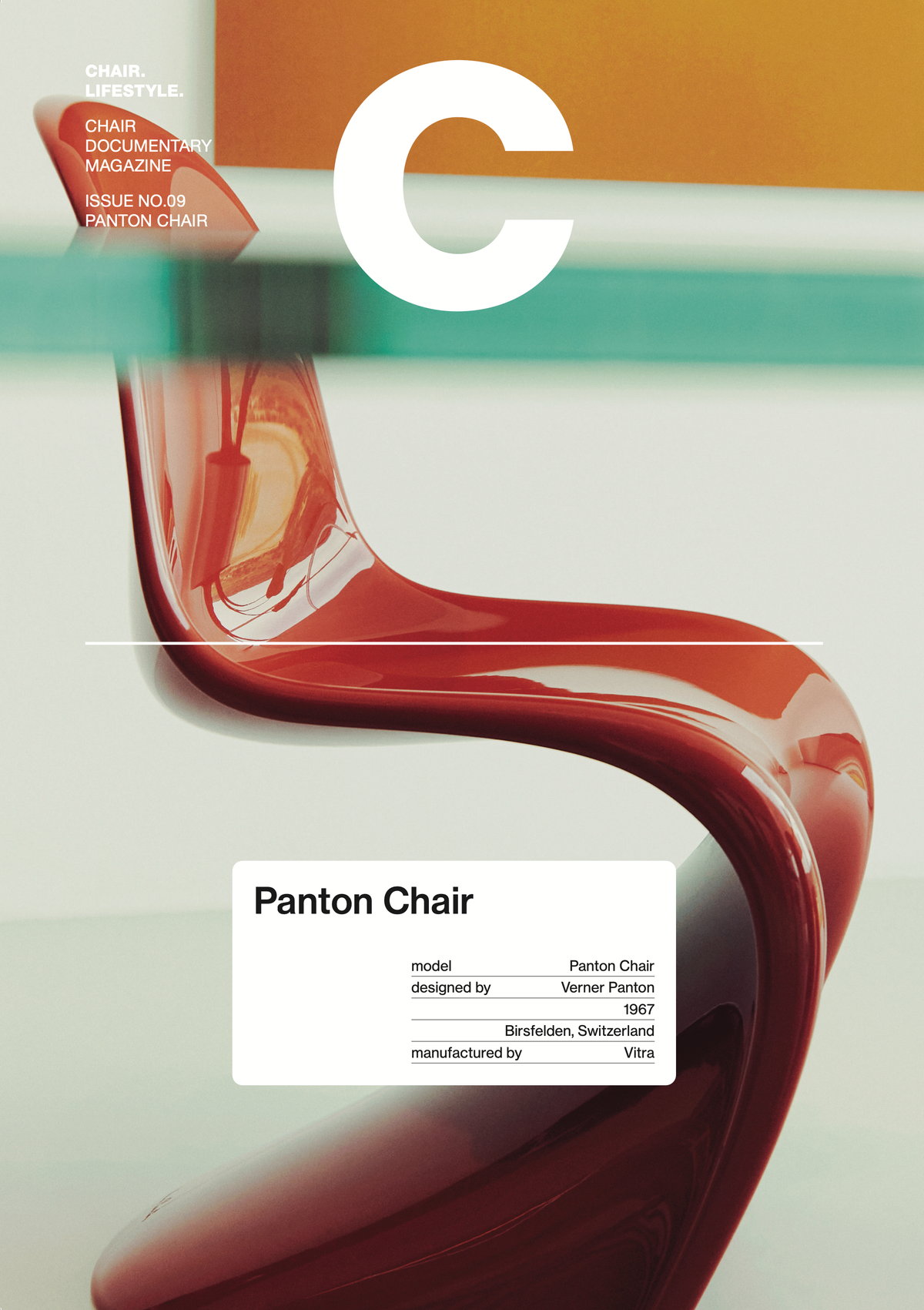
Magazine C Panton Chair cover

Issue.09 Panton Chair

팬톤 체어는 등받이와 좌판, 다리, 받침대가 이음매 없이 하나의 유려한 곡선으로 이어지는 형태로, 1967년 당시의 혁신적 디자인과 기술력이 결합해 탄생했습니다. 새로운 소재가 열어준 조형적 가능성을 극적으로 보여준 이 의자는 1960년대의 대담한 실험 정신과 미래를 향한 낙관주의를 상징하며, 오늘날까지 20세기 디자인의 대표작으로 자리매김하고 있습니다.

Related Stories