Editor Sunjin Kim | Images courtesy of Unwind, Lichen
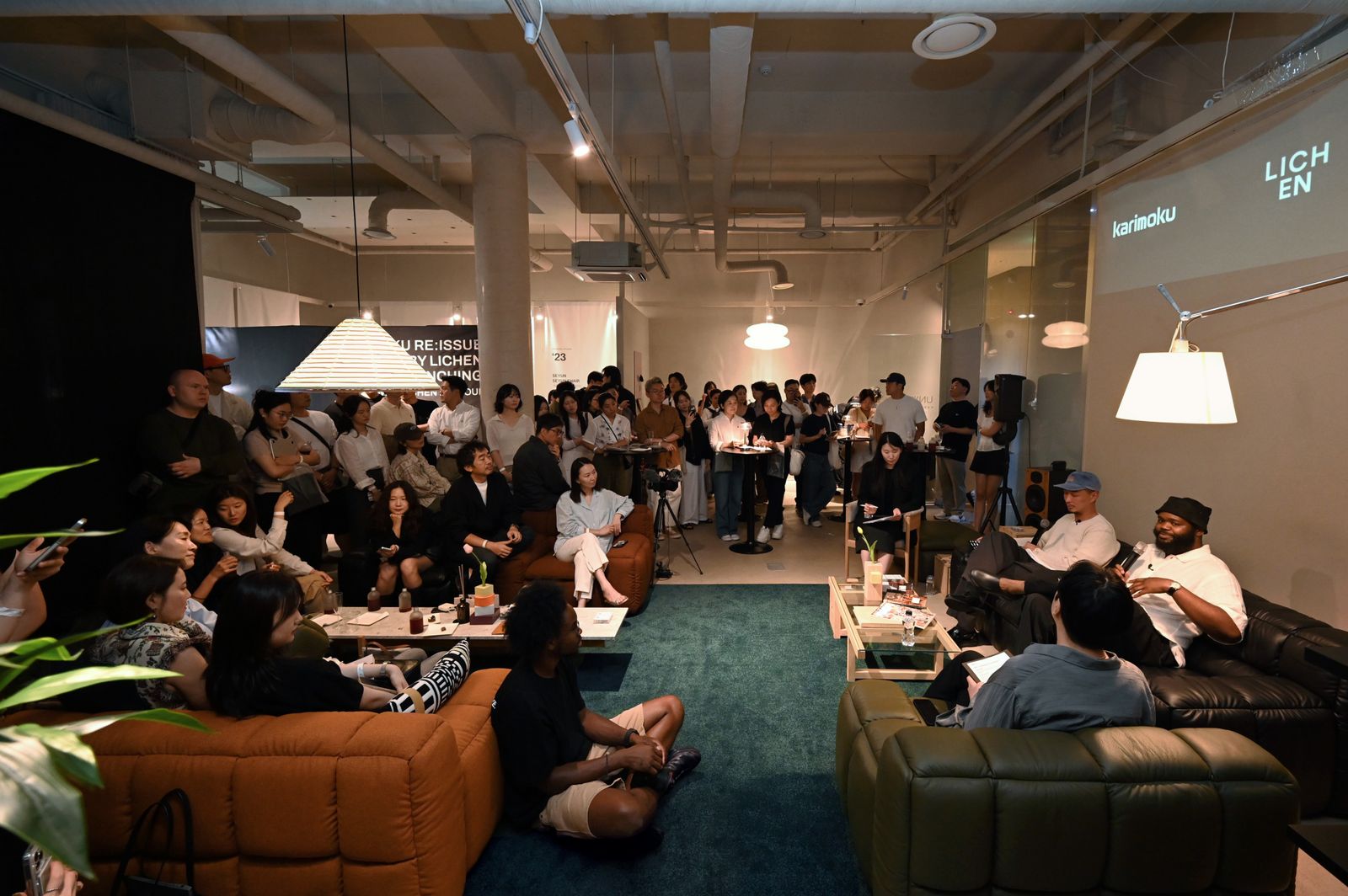
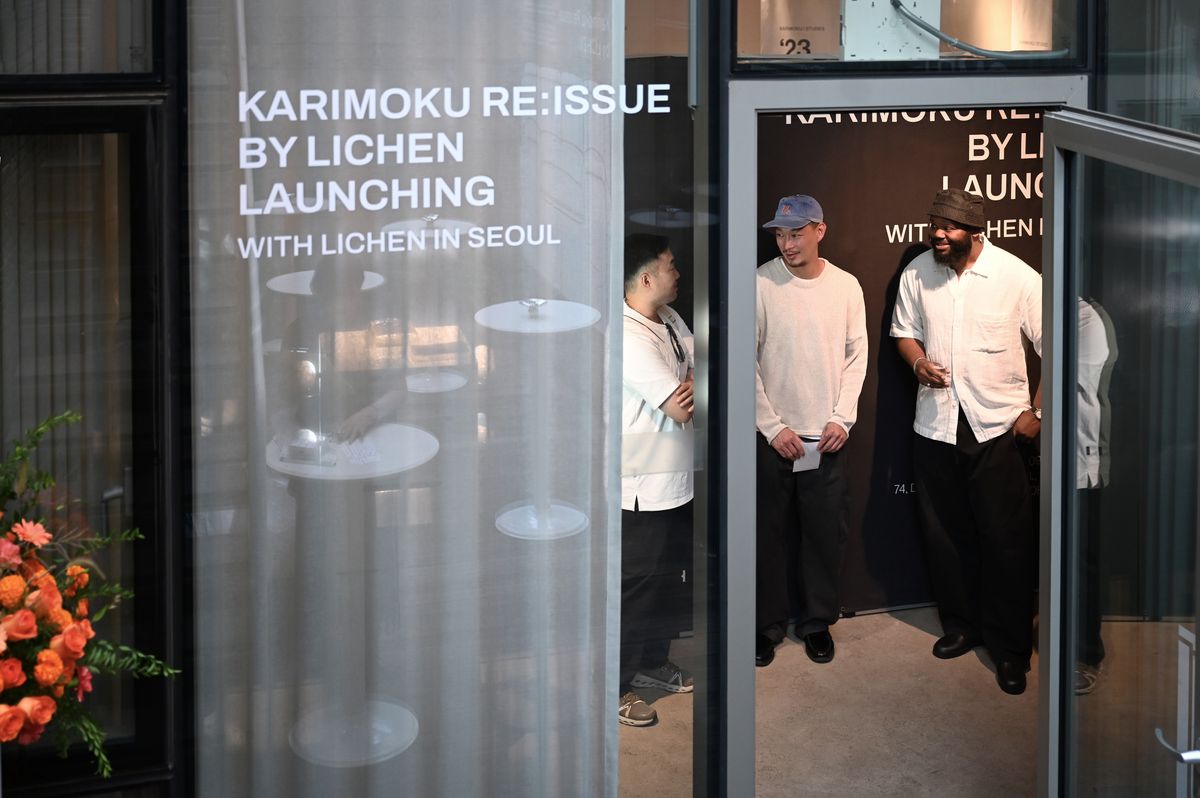
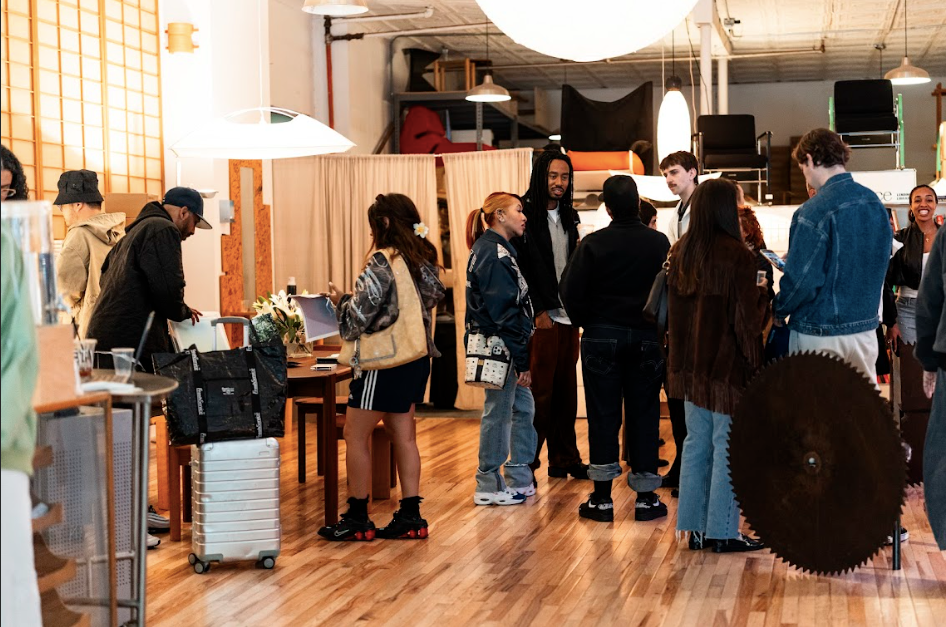
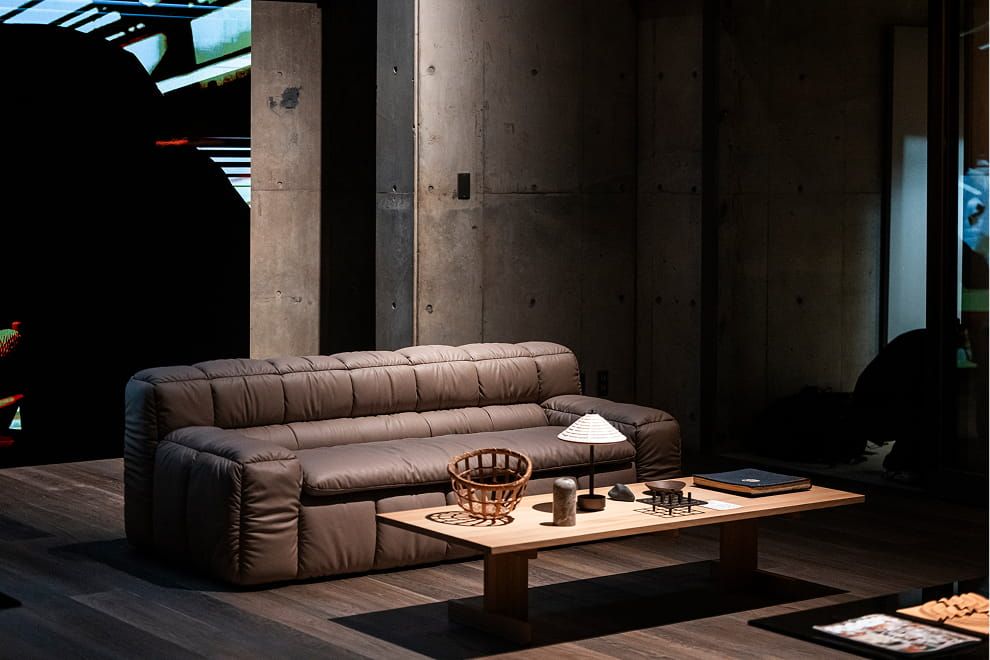
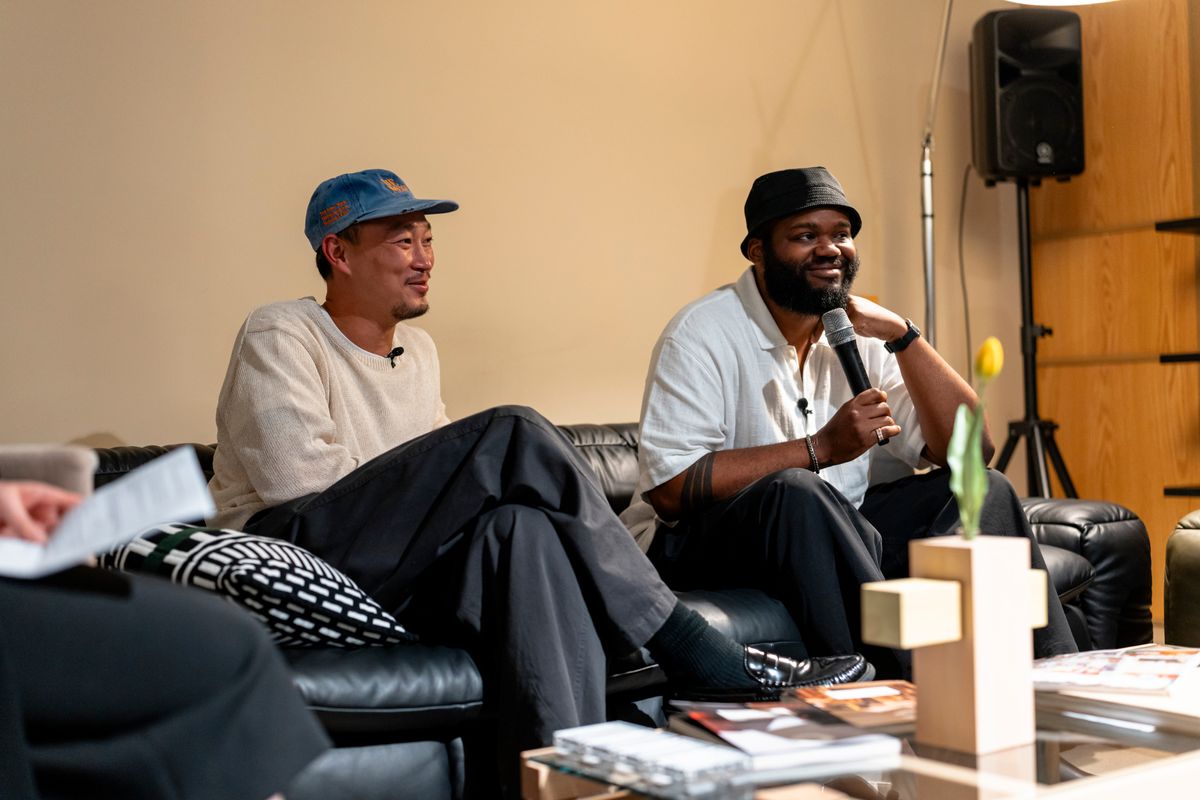
On September 3rd, 'Karimoku Re:issue by LICHEN,' a new brand from Japan's Karimoku Furniture, made its domestic debut. At the launch event held at the Unwind showroom in Seorae Village, the brand's first product, the 'ZE Sofa,' was unveiled, and a design talk was held by LICHEN, a New York-based design studio. Visitors experienced the product in their own way, sitting on the sofa, leaning back, and chatting.
'Karimoku Re:issue by LICHEN' is a project brand that reinterprets designs from Karimoku Furniture's decades-long archive in a fresh light. It is completed with the perspective of LICHEN, which runs a vintage furniture shop in New York and has long focused on the relationship between furniture of the past and present. It was first unveiled in Tokyo in 2025.
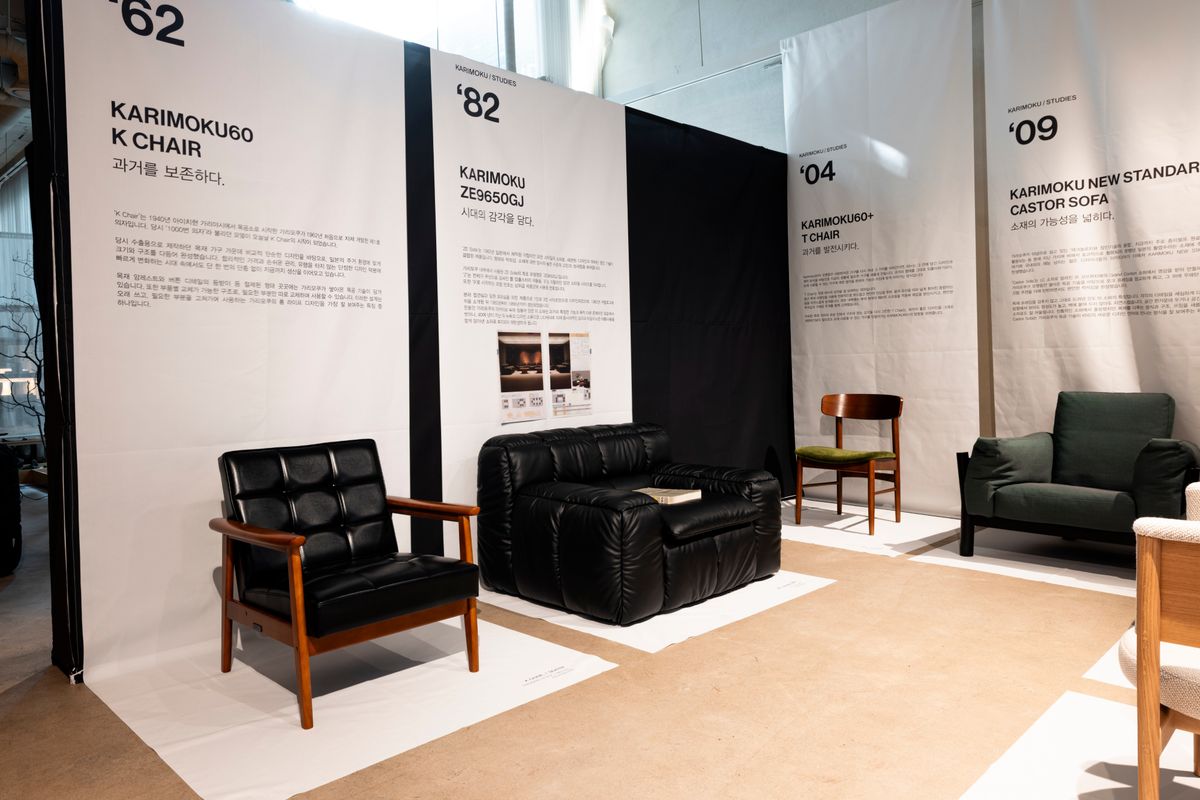
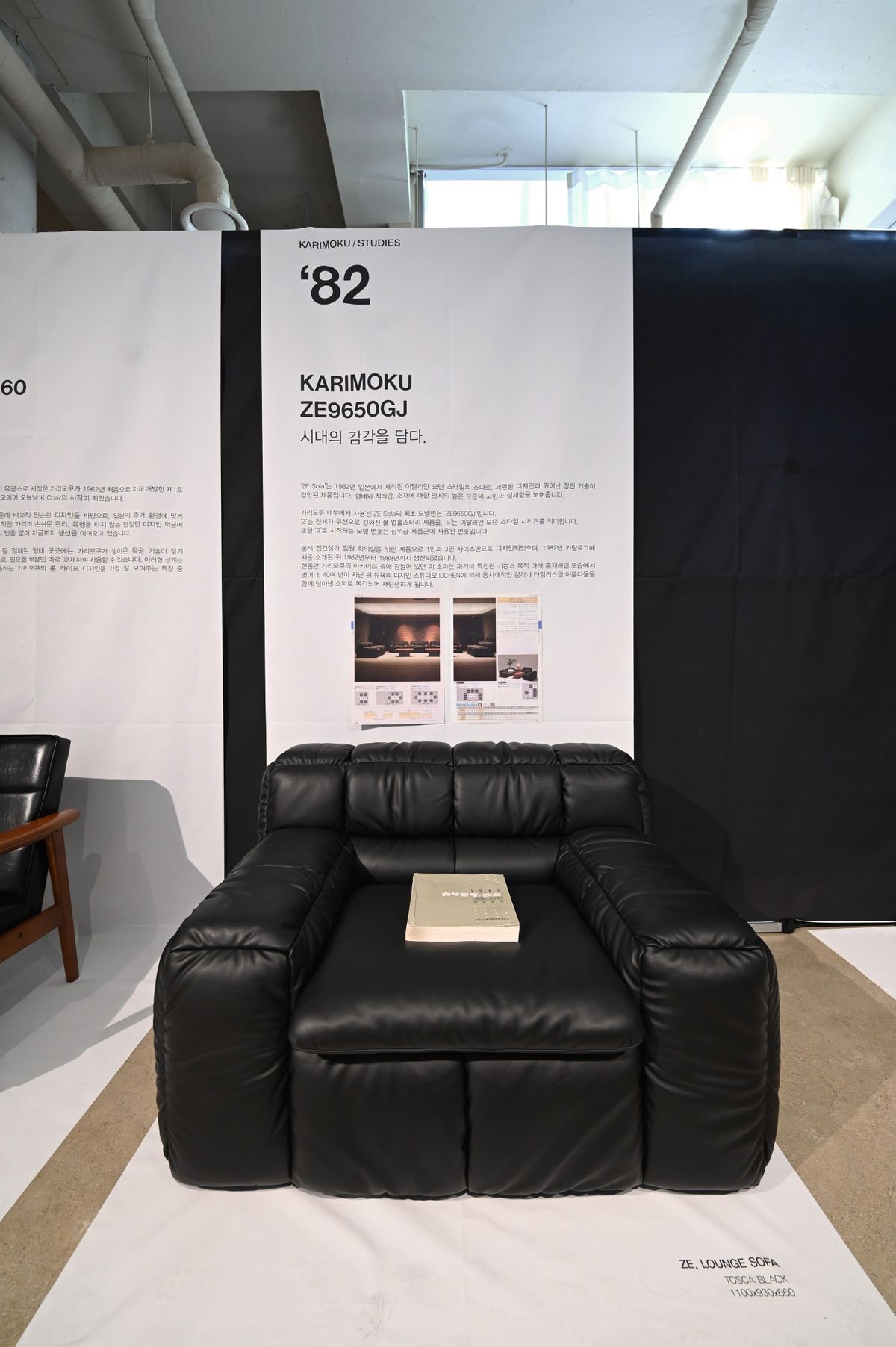
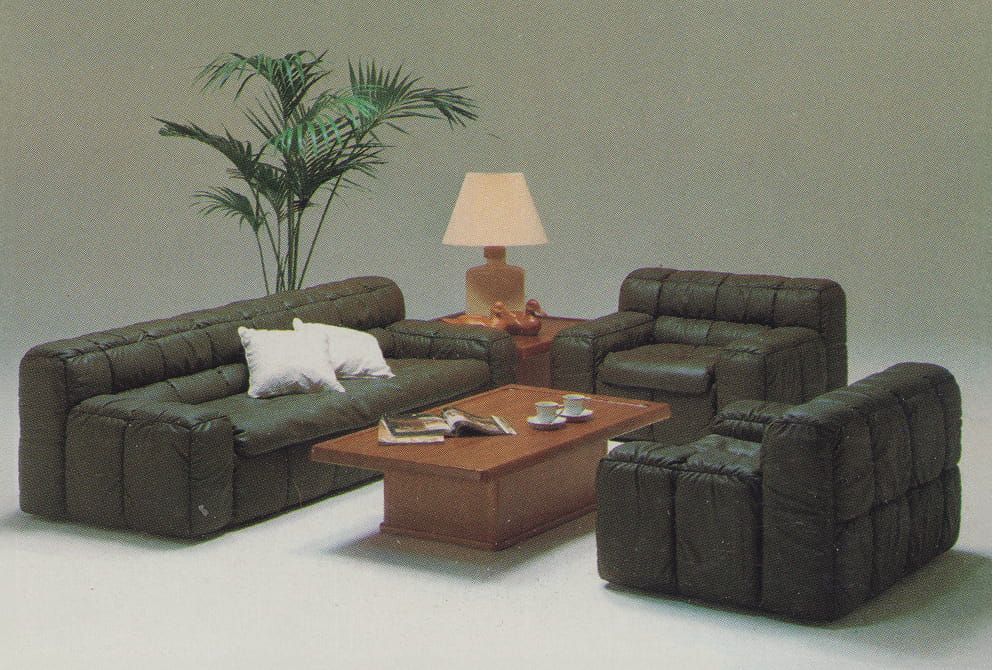
The brand's first product, the 'ZE Sofa,' was originally created in the 1980s as a sofa for conference rooms. Discontinued just a few years after its release, the ZE Sofa was kept in the archive of Karimoku Furniture's showroom for decades. It was later discovered by LICHEN during a visit to Japan, who actively proposed its reissue, bringing it back in a new form. LICHEN added a two-seater version and an ottoman to the existing one- and three-seater models.
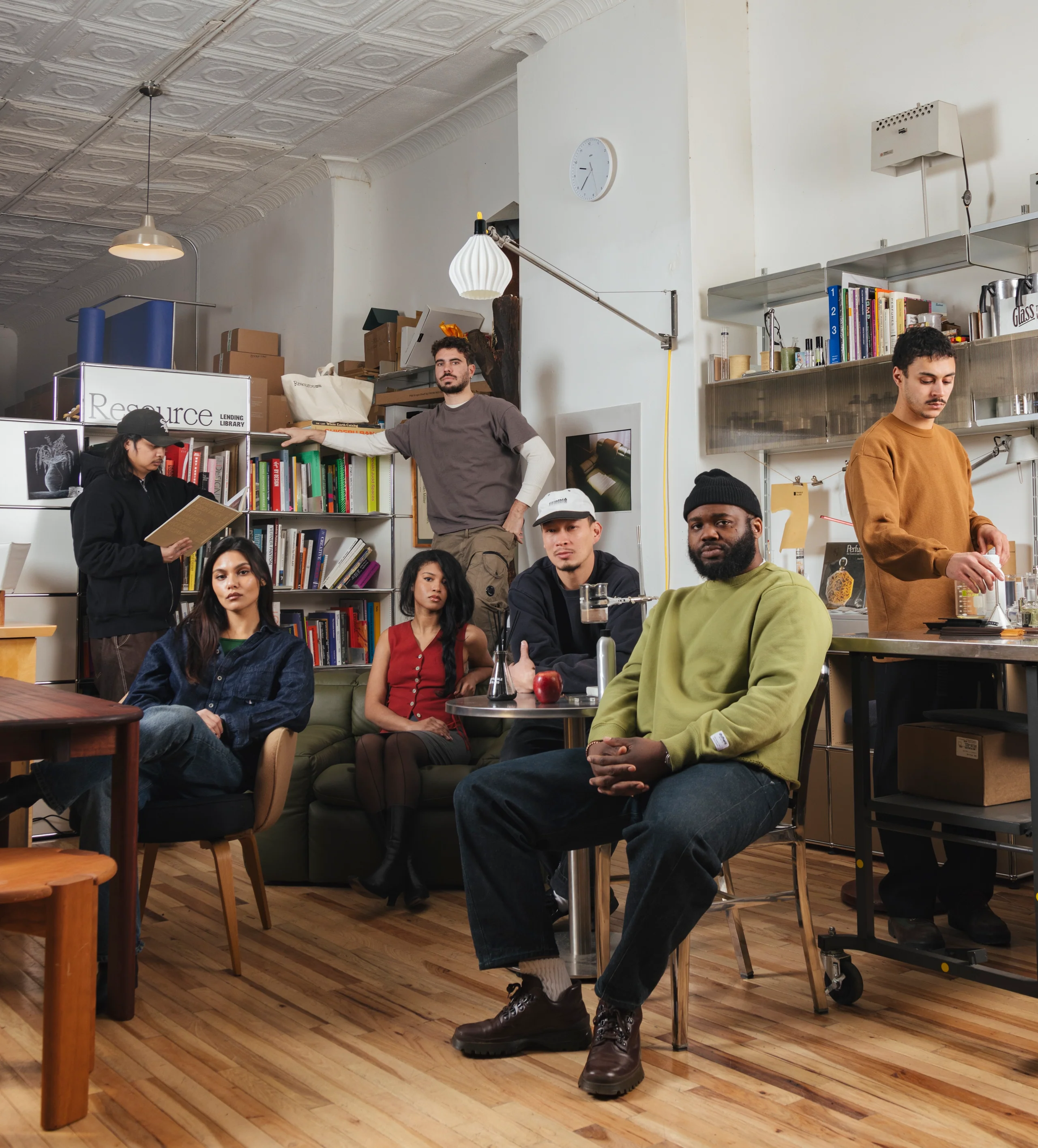
LICHEN is a design studio based in New York. Co-founded in 2017 by Ed Be and Jared Blake, it first made a name for itself selling vintage furniture in Brooklyn. Since then, it has opened a showroom and presented its own furniture designs, while also expanding its scope as a 'design incubator' that hatches new designs by introducing emerging designers and brands. Ahead of the ZE Sofa's launch, we asked LICHEN what fascinated them about the ZE Sofa and about their collaboration process with Karimoku.
At Unwind, a living select shop that has carefully curated enduringly valuable everyday design and sustainable lifestyles, we present the ZE Sofa collection exclusively in Korea.
This article was written with the production support of Unwind.
I heard you two first met on Craigslist, the American secondhand marketplace. What's the story behind that?
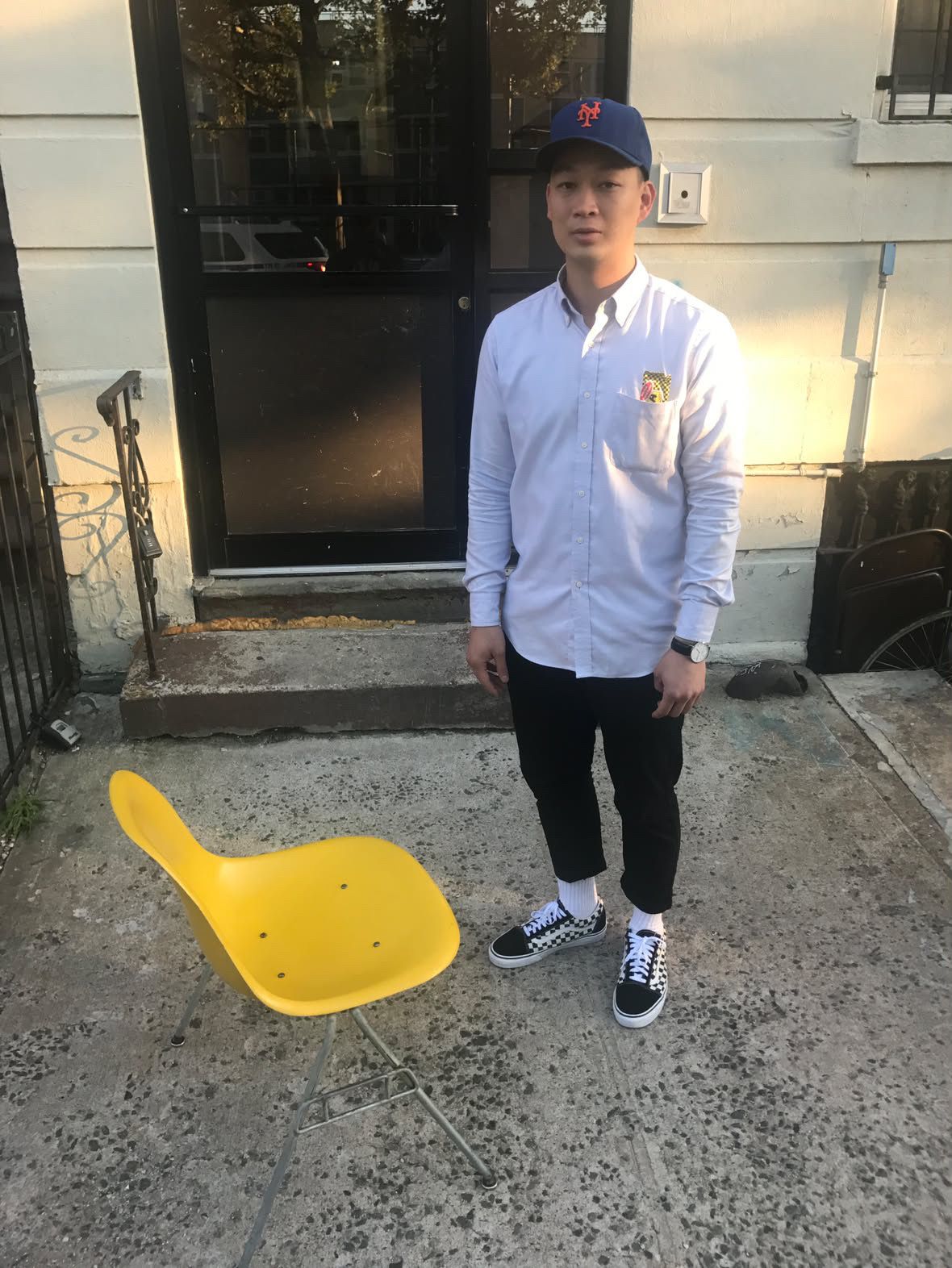
J We met over a chair deal. At the time, I was occasionally sourcing the shells and bases of Eames chairs separately, assembling them, and reselling them. I had a mismatched yellow Eames chair that I put up for sale, and Ed said he wanted to buy it. When I asked him, "What are you going to do with that chair?" he said he was preparing to open a furniture shop. Naturally, it turned into, "Then let's do it together." Before that, I had worked at a digital agency, and Ed had worked in restaurants for ten years. Our ways of thinking and our backgrounds were complete opposites.
Less than a month later, you created LICHEN. What was it that clicked between you?
E Normally with a secondhand deal, you just pick up the item and that's it. But Jared kept wanting to talk. He even asked, at our very first meeting, "I like you—can I take a photo of you?" I still have that photo. (laughs) Normally I would have thought, "Why does this guy have so many questions? And why does he want to take a photo?" But that wasn't the case.
J I just took it because he looked cool. Warehouse rent in New York is quite expensive, so we decided to split the cost in half. And after that, it's just as you know.
LICHEN started as a vintage furniture shop in 2017.
E Calling it a shop is a stretch—it was just an Instagram account. We kept our items in a warehouse and sold furniture on Instagram and Craigslist. Since we had no store, we photographed our products anywhere in New York that was free, whether it was a café or a basketball court. About a year later, when our monthly sales were around $600, we opened a store in Williamsburg. Looking back now, it was really reckless.
Now you design furniture yourselves and are expanding your scope through various collaborations. You also describe yourselves as a 'design incubator.' What exactly does that mean?
J At LICHEN, we still sell both vintage furniture and the new furniture we make. We also introduce new designers to the market through various events, community activities, and screenings. Under the name LICHEN, our team members make candles, run a library, and have their own studios and projects. We keep the soil where these activities take place fertile. You could say our role is to keep the earth warm until the ideas hatch.
In 2025, you launched a new project brand, 'Karimoku Re:issue by LICHEN.' How did this project come about? We're also curious about how the collaboration process with Karimoku Furniture went.
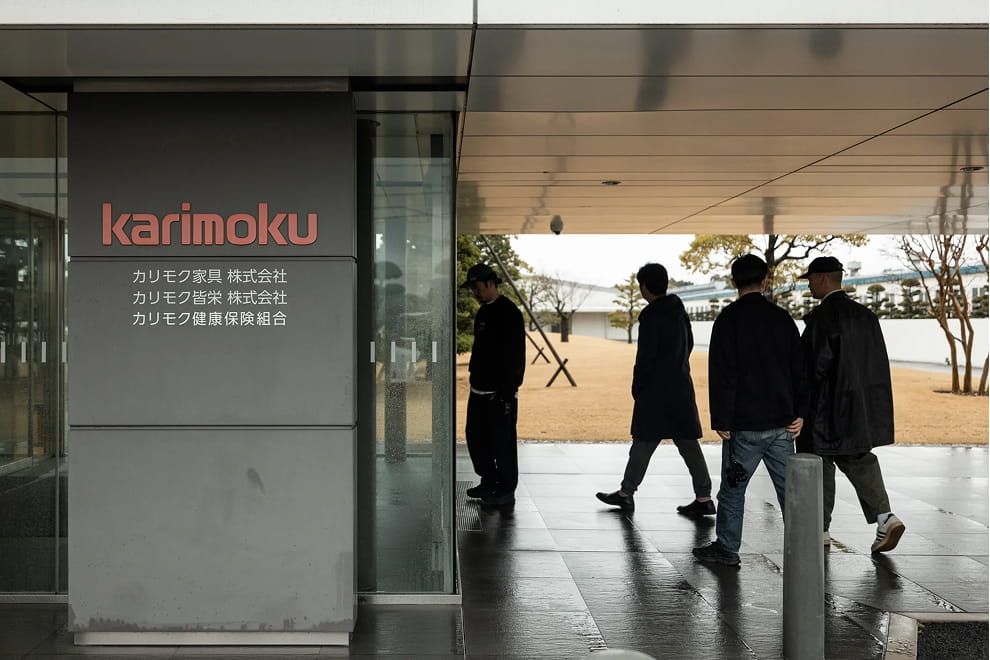
J Originally, we were preparing the 'CMPT by LICHEN' line. We were envisioning products that let users adjust the form and change the function to suit their needs. Then around 2022, the LICHEN team all visited Karimoku Furniture's showroom in Japan. As we were looking around the seven- or eight-story space, we came across the ZE Sofa, and we just couldn't walk past it. With a form that almost resembled an Italian sofa, it looked like a sofa that didn't belong there. We clutched our heads and kept pressing them, asking, "Why on earth aren't you producing this?" They said the machine that made the sofa no longer existed, and the team that handled that technique no longer worked there.
E When we insisted that we had to keep launching this sofa, Karimoku Furniture pulled some strings. They reached out to people who had already left the company, and those people gladly returned to personally supervise the sofa's production process. Most of them had worked at this company for 30 or 40 years, and it's no exaggeration to say that meeting them was our greatest source of inspiration. We saw the possibility of building a community where the experience of working together leads to relationships, which can naturally lead to new endeavors down the road.
The designers who have worked with Karimoku Furniture all say good things. That they're so polite it's almost funny, or that they're astonishingly obsessive about details. (laughs)
E We felt exactly the same way. At first we designed without knowing Karimoku's capabilities, and they told us, "Thank you, but we can do so much more than this." Their own factory, cutting-edge machines, and people who have worked there for a long time and know everything from traditional techniques onward. Understanding all of it required us to practically rewire our brains.
The ZE Sofa was originally made as a conference room sofa in the 1980s. It also has a form that looks like it would belong in a go club. Did you modify anything when reissuing this 1980s design?
J Originally there were only one-seaters and three-seaters. We really wanted to make a two-seater version. Residential spaces in New York, just like in Seoul or Tokyo, are really small and densely packed. In such an environment, we wanted to add a model that could serve as a daybed or where a friend could sleep over when they came to visit. And to take it out of the context of conference room furniture, we added a fabric option. Originally it was produced only in leather.
E We also modified the internal design to suit modern technology. There were so many options that we had many conversations with Karimoku. Even just deciding the type of foam, there were options within options. We paid attention to the details in every part.
As this is a re:issue line, that kind of meticulous process seems to carry even greater significance. It's not simply reviving a design from the past, but a project truly completed by adding LICHEN's perspective.
J That's right. It's also a reflection of Karimoku's attitude of not deciding any part arbitrarily.
Among the various options, which version of the ZE Sofa is your favorite?
E I really love the chocolate brown leather version that will be released next.
J I'm also looking forward to making custom orders, like a checkered pattern or blue-colored leather. There was even someone who asked if we could make it in Alcantara because they have a cat. Since LICHEN is a small studio, we draw a lot of hints from what people are interested in.
J We're trying to hold a small design week in New York. Next year, if possible. We took part in Milan Design Week to introduce the ZE Sofa, and we were greatly inspired by the way the entire city participates in the design week.
E Beyond retail, I'm always drawn to spaces and experiences that actually exist. Not just hospitality and residential spaces, but also cultures like listening rooms. I'd like to place the ZE Sofa within these kinds of environments.
Finally, what is LICHEN's favorite chair?
E I used to love Gaetano Pesce's Broadway Chair the most. Right now, the chair I'm working on for our next project is my favorite.
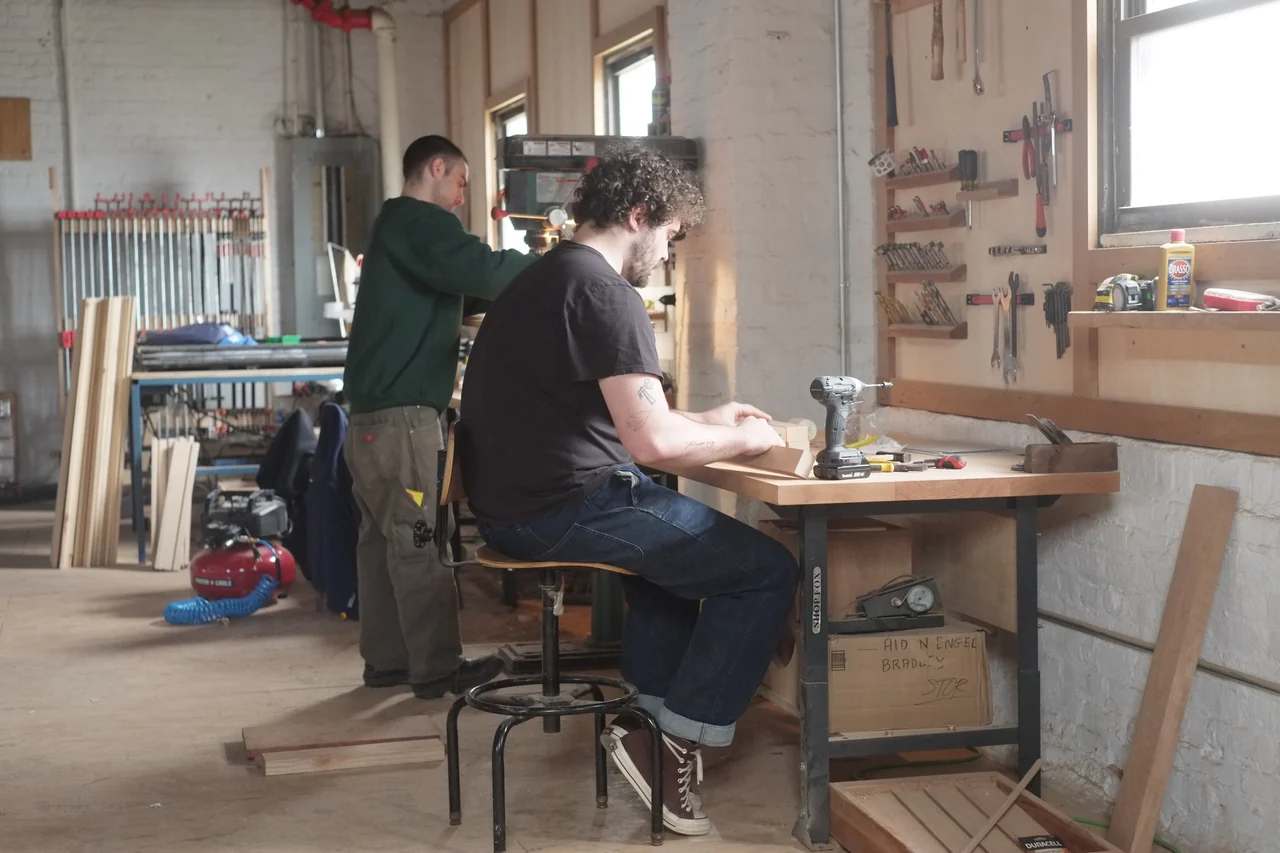
J A chair designed by LICHEN's carpenter. It's a generous chair in a very American size. I love its simple form, and the fact that it's made to order is part of why I have such affection for this chair.
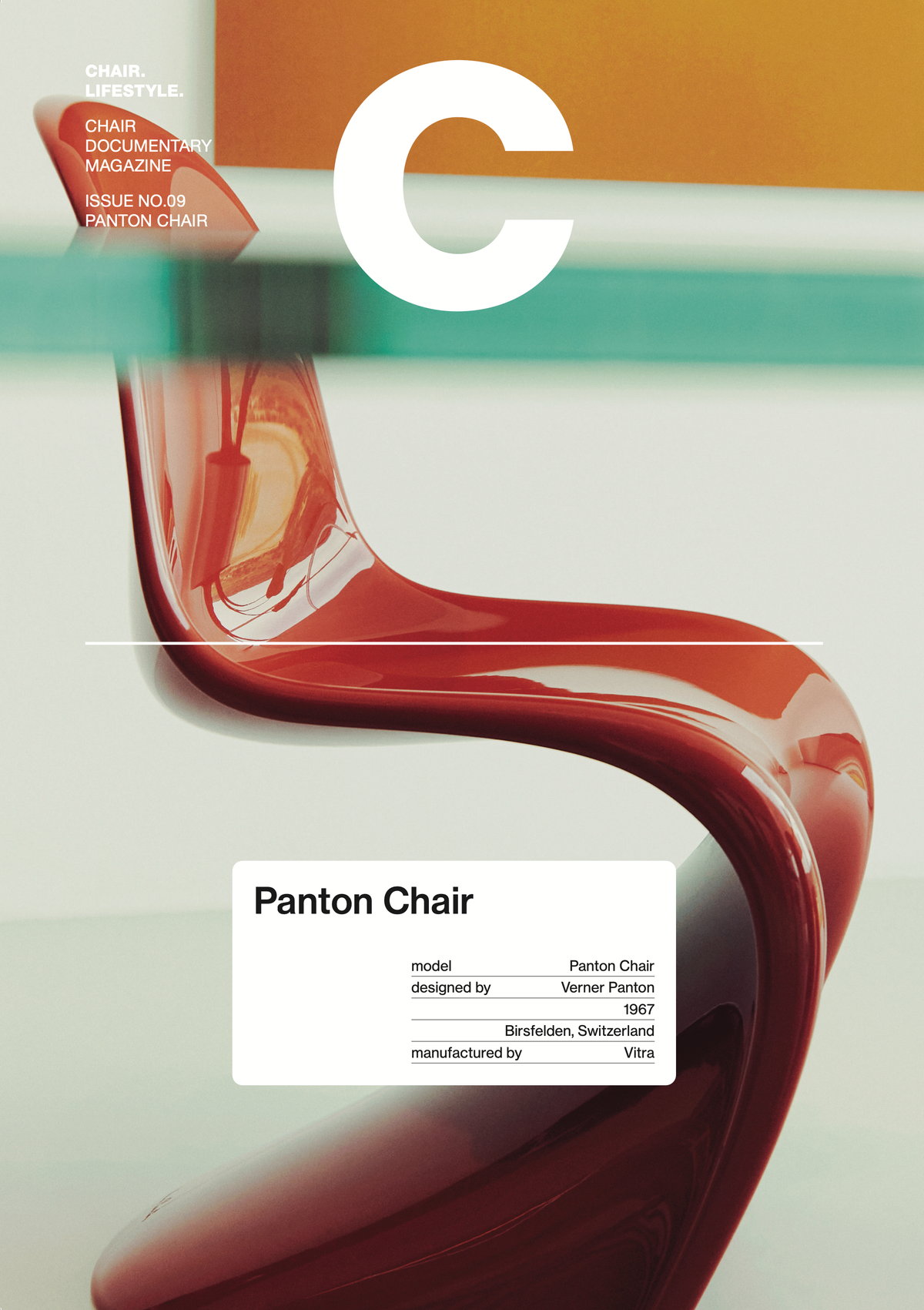
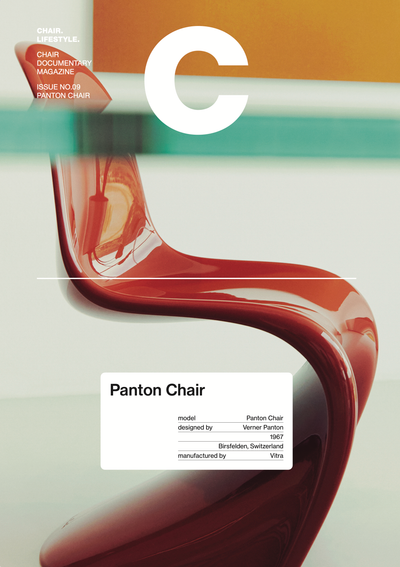
Issue.09 PANTON CHAIR
The Panton Chair: The Greatest Challenge in the History of Chair Design
Created in 1967 through a combination of groundbreaking design and technical ingenuity, the Panton Chair features a backrest, seat, legs, and base that flow seamlessly into a single graceful curve. Dramatically demonstrating the sculptural possibilities unlocked by new materials, it embodies the bold experimentation and optimism about the future that defined the 1960s. To this day, it remains an icon of 20th-century design.