The Writer and Tattoo Artist Whose Home Hosts House Parties
Editor Seunghye Jung | Photographer Blaine Davis
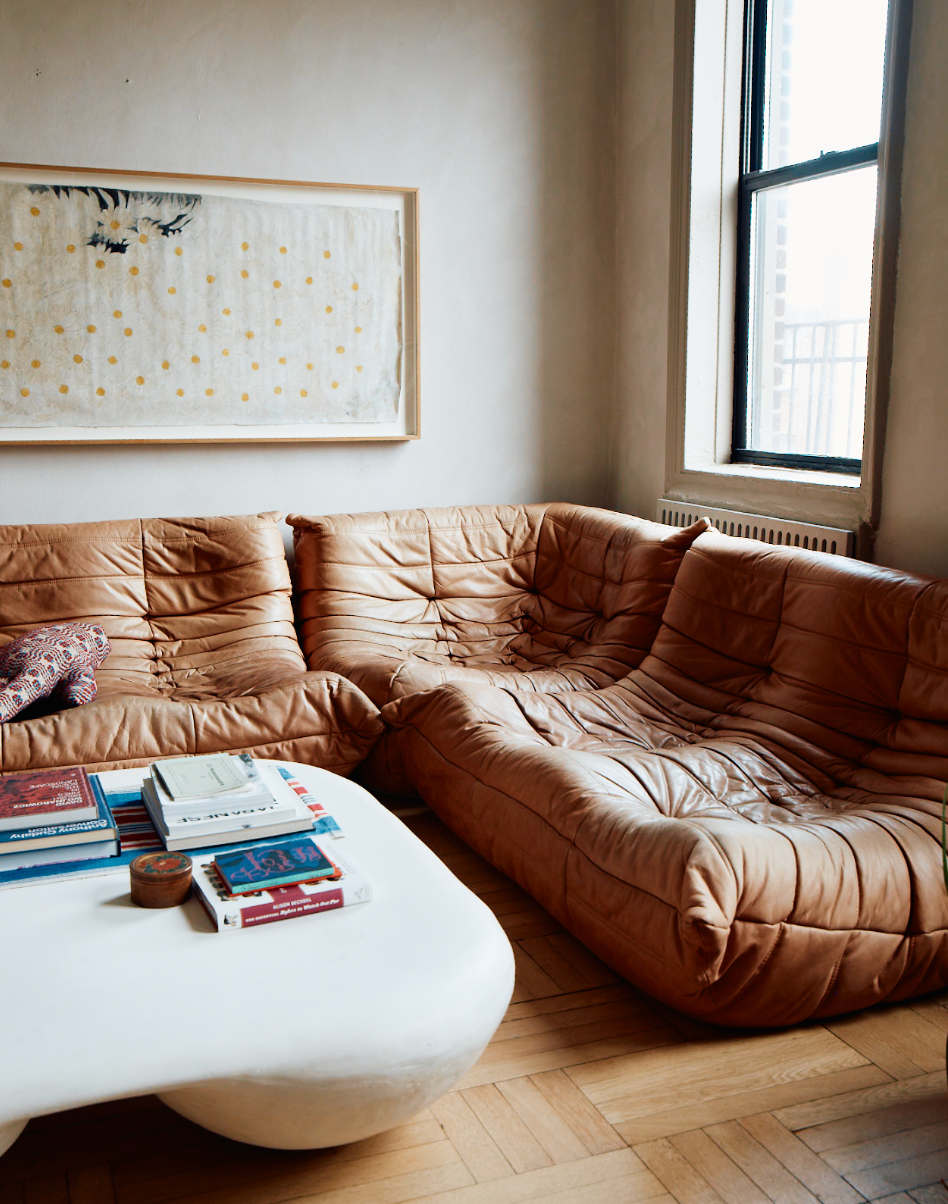
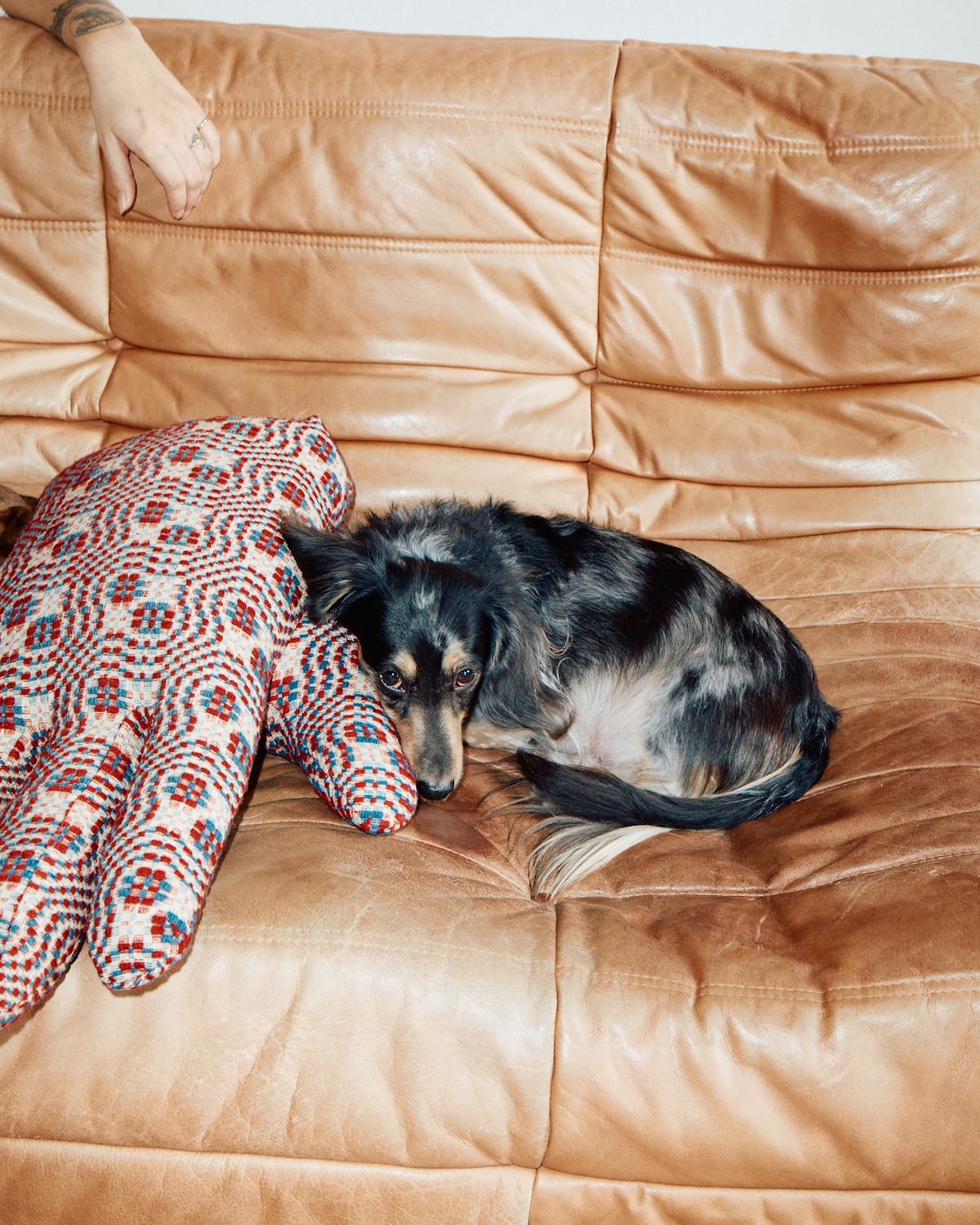
The soft scent of incense, an open living room, thoughtfully chosen objects, and at the center of it all, a brown Togo sofa. Coco Romack and Mars Hobrecker’s Brooklyn home feels as stylish as a showroom for a discerning brand, yet it is entirely comfortable. Filled with objects collected on their travels and furniture by New York–based artists, the home is done in warm, earthy tones, much like Panko and Piet, the dachshund brothers who live with them.
This interview is featured in Issue 8 ‘Togo’.
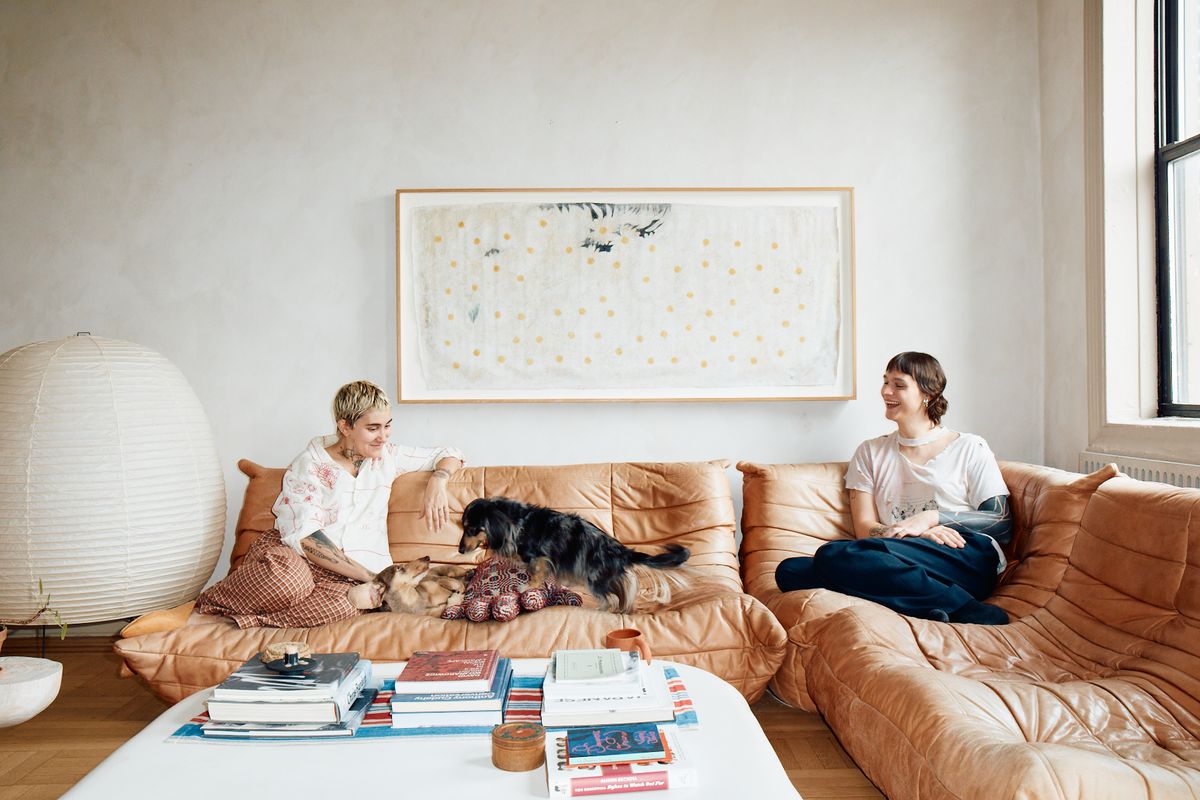
Coco, an editor at The New York Times’ T Magazine, started out as a literary magazine editor in high school. Since then, Coco has written for outlets including MTV News and Out, exploring where identity, culture, and fashion intersect and amplifying the voices of LGBTQ+ artists. Coco’s first book, Queer, a curated collection of writings and speeches by queer creatives and activists, and second book, A Sense of Shifting: Queer Artists Reshaping Dance, which tells the stories of queer dancers, continue that work. If Coco has carried the community’s voice through words, Mars is a tattoo artist who expresses emotion and memory through the body. At a time when traditional tattoo shops were not welcoming spaces for queer people, Mars began giving friends simple tattoos, one after another. Now, 10 years have passed.
Working for two to three hours with a client’s body as my canvas can be emotionally draining, but for some people, that time becomes a source of comfort and catharsis. Some ask for a hug without saying a word once the tattoo is finished. For me, tattooing isn’t just work. It’s closer to a ritual of communal marking.”
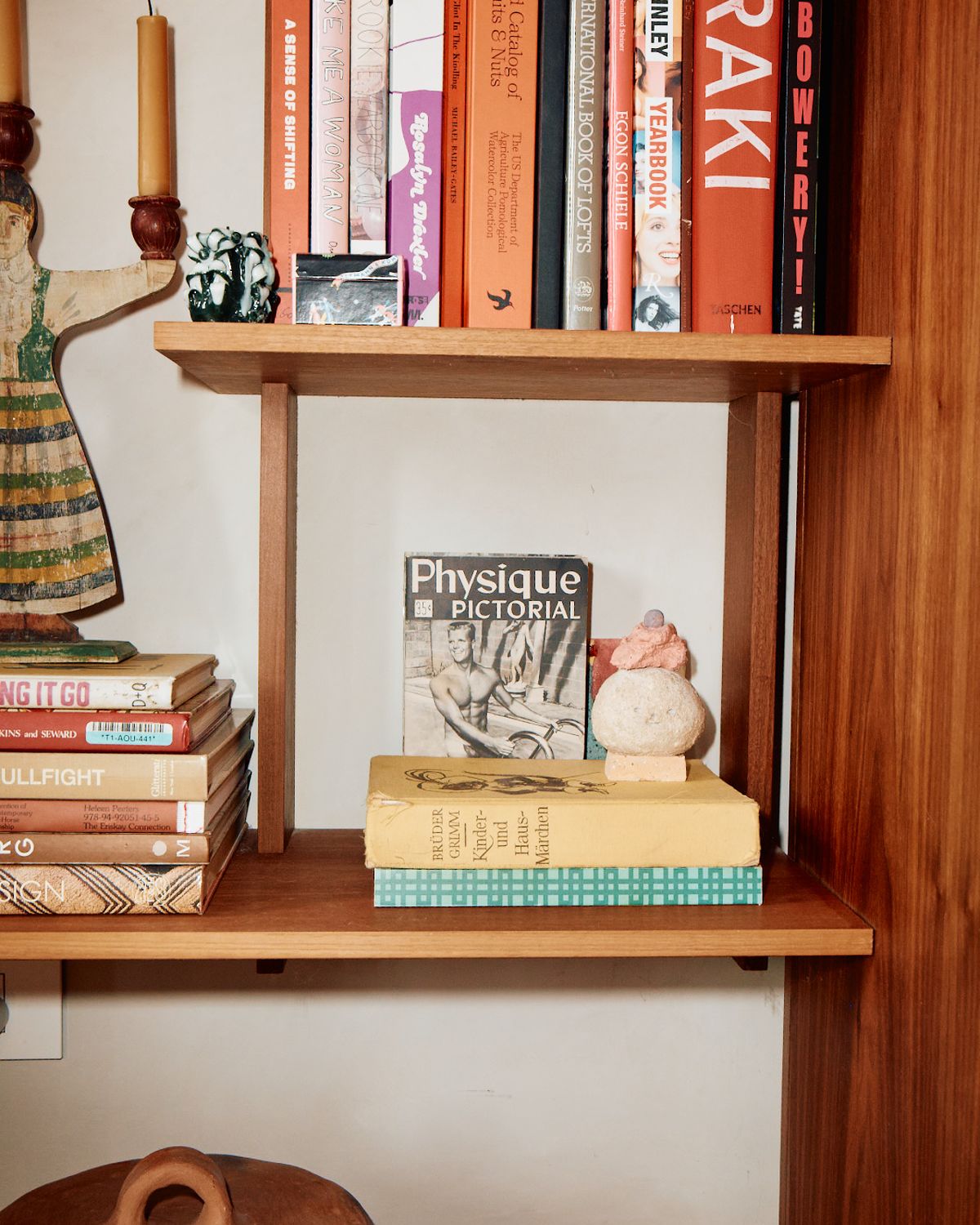
When night falls, their lives take on another side. Coco hosts a karaoke night called ‘Coco-oke,’ and Mars is a cohost and performer at the queer strip show Thirst. Together, they create spaces where the LGBTQ+ community can safely express themselves and have fun. Their community hosting also extends to regular house parties, where Mars usually cooks and Coco welcomes the guests. That is why the community calls them ‘Dad and Mom.’
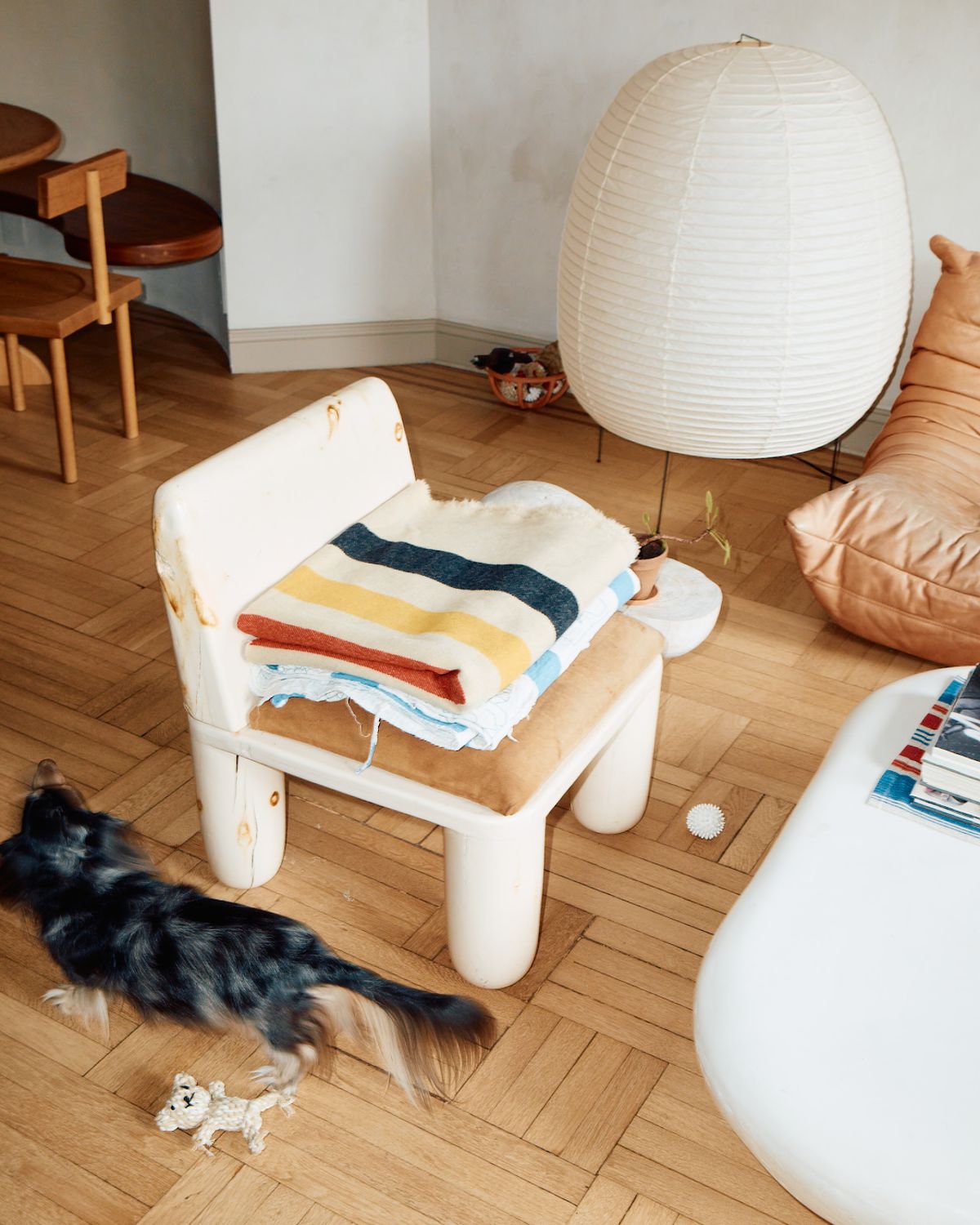
Bought in 2021 and renovated with their friend, architect Michael Yarinsky, the home fully reflects the couple’s lifestyle. The living room and kitchen were joined into one open space, with a Togo sofa that easily seats six at its center. “We wanted a home with an earthy warmth and a restrained atmosphere that makes you want to sink in. The moment we found this vintage Togo sofa online, which looks like a baseball glove, we thought, ‘This is it.’ It took months to ship from Poland, and while construction was delayed by the pandemic, it got moved from room to room, still wrapped in bubble wrap. (Laughs)” Mars usually sits in the corner of the Togo sofa to draw, and Coco tends to sit alongside. Even the short-legged dogs can climb on and off with ease, so the living room naturally became the heart of the home.
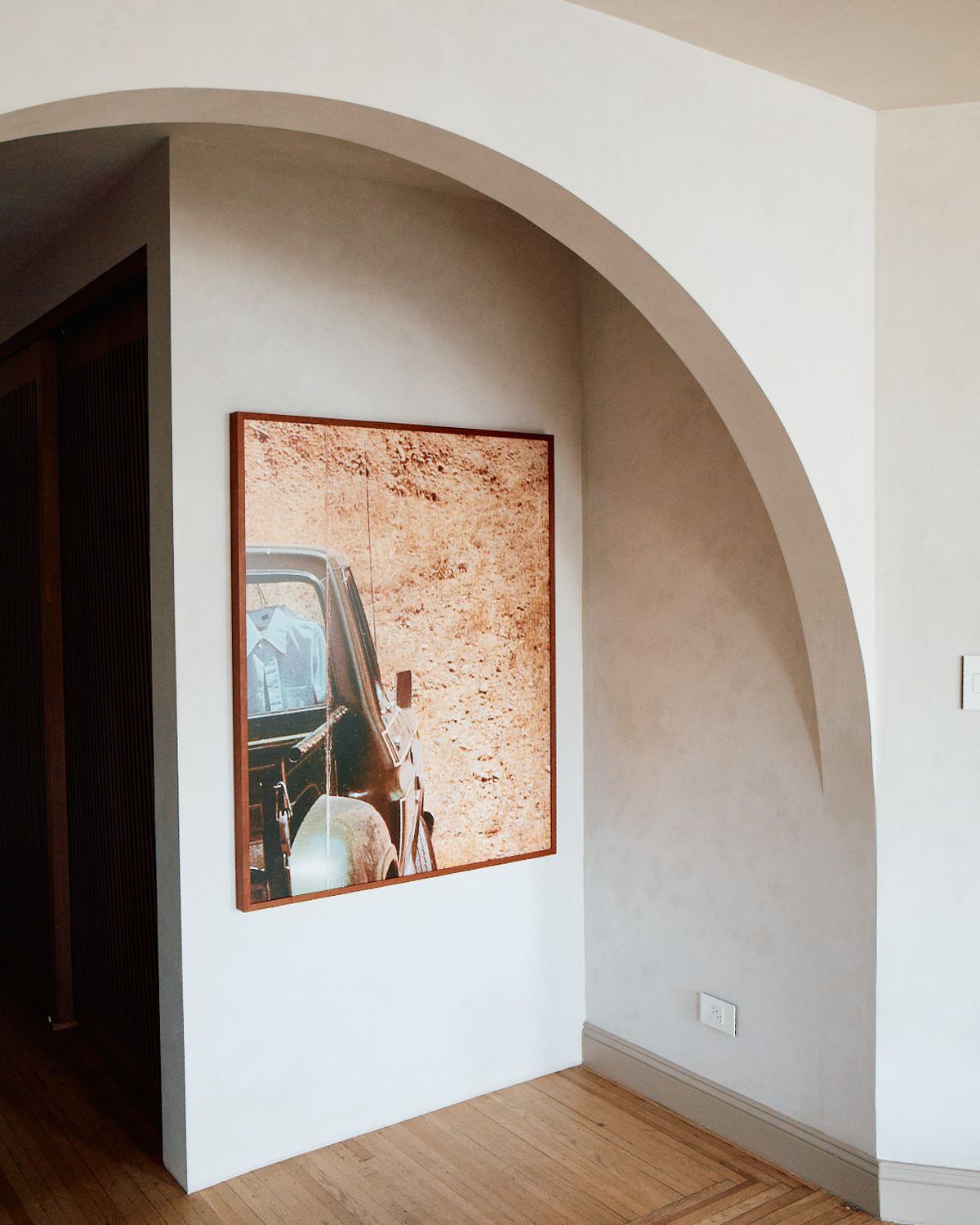
The two met 10 years ago at a bar in Bushwick through a dating app. They married a year later and have not spent more than a week apart since. This spring, they are welcoming their first child. Coco is busy turning the former office into a nursery. Mars has paused pole dancing and cut back to one coffee a day. As the rhythms of the home and of their bodies gradually shift, their lives will find a new balance. Still, the couple said, “Even as we enter a new chapter, we want to keep living an active, creative life with our community.”
Want to dive deeper?

Issue.08 Togo
Designed by Michel Ducaroy in 1973, the Togo departs from the conventions of the traditional sofa. Its signature wrinkled surface, low seat resting directly on the floor, and all-foam construction offered a comfort and innovation on a different level from the sofa design of its day. Born of the 1960s and '70s, an era yearning for social and cultural change, the Togo reflected the zeitgeist—and its appeal remains just as strong today. Rediscovered through social media during the pandemic and embraced with explosive popularity, the Togo has become more than furniture: a cultural icon of free spirit and creative energy.